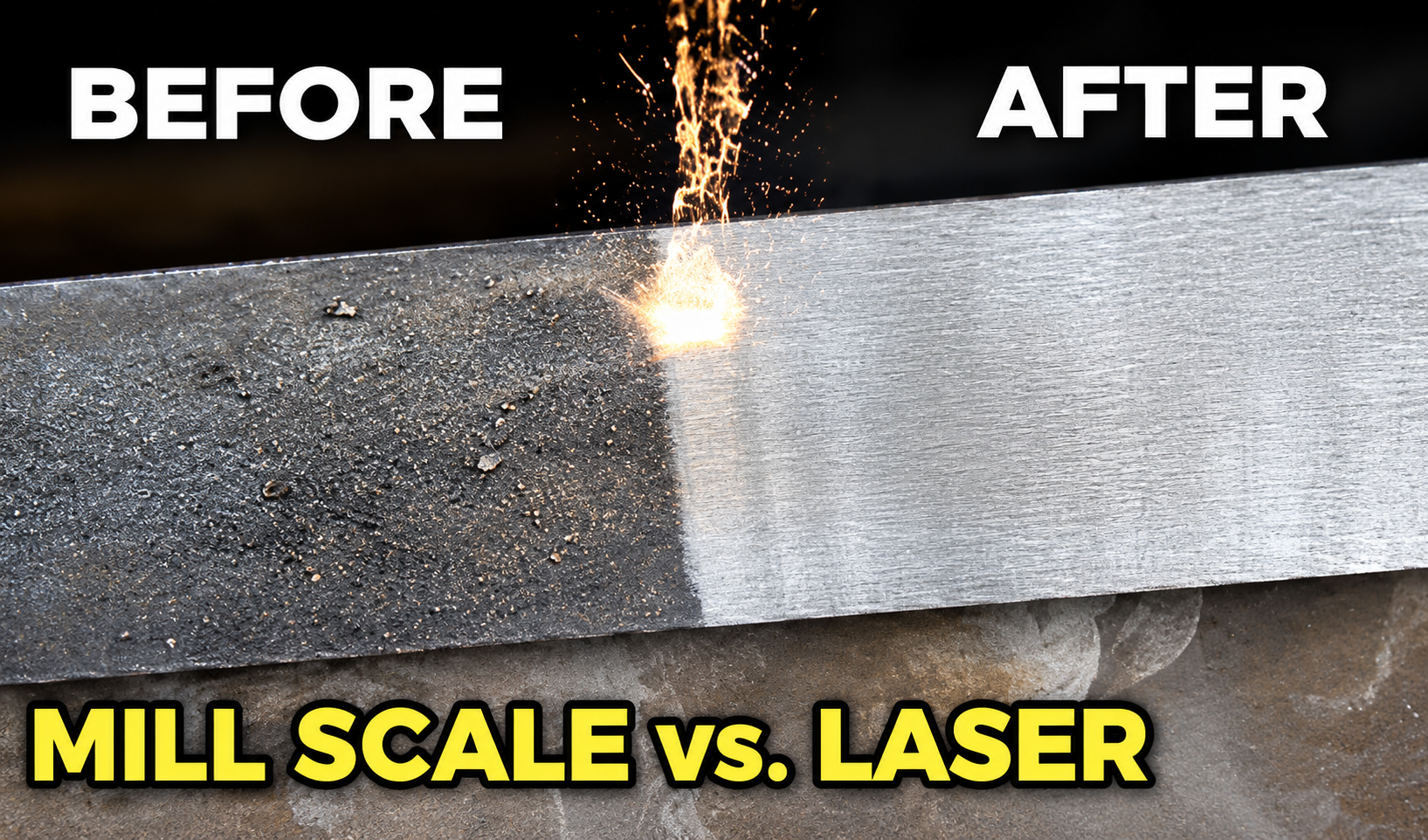
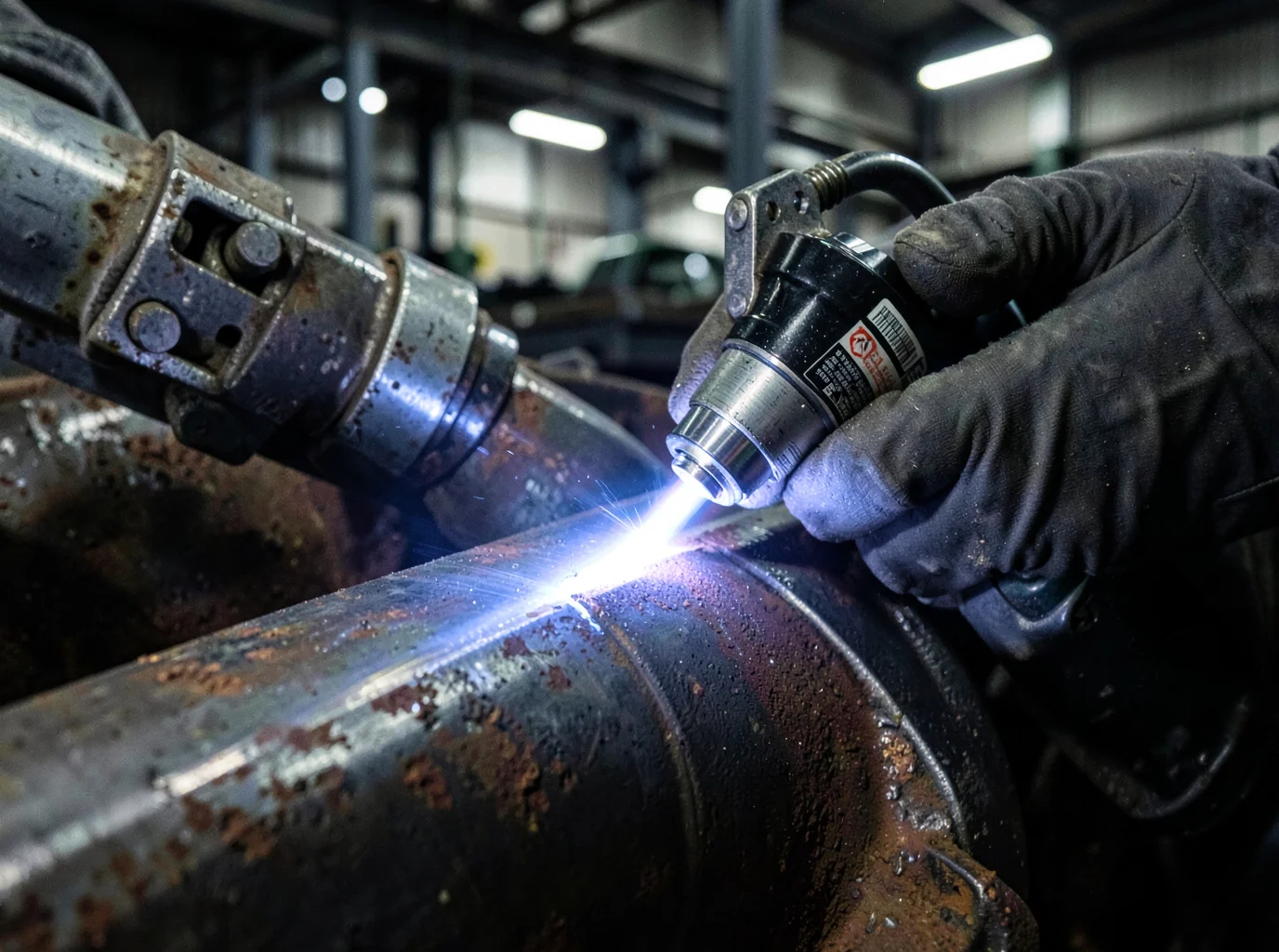
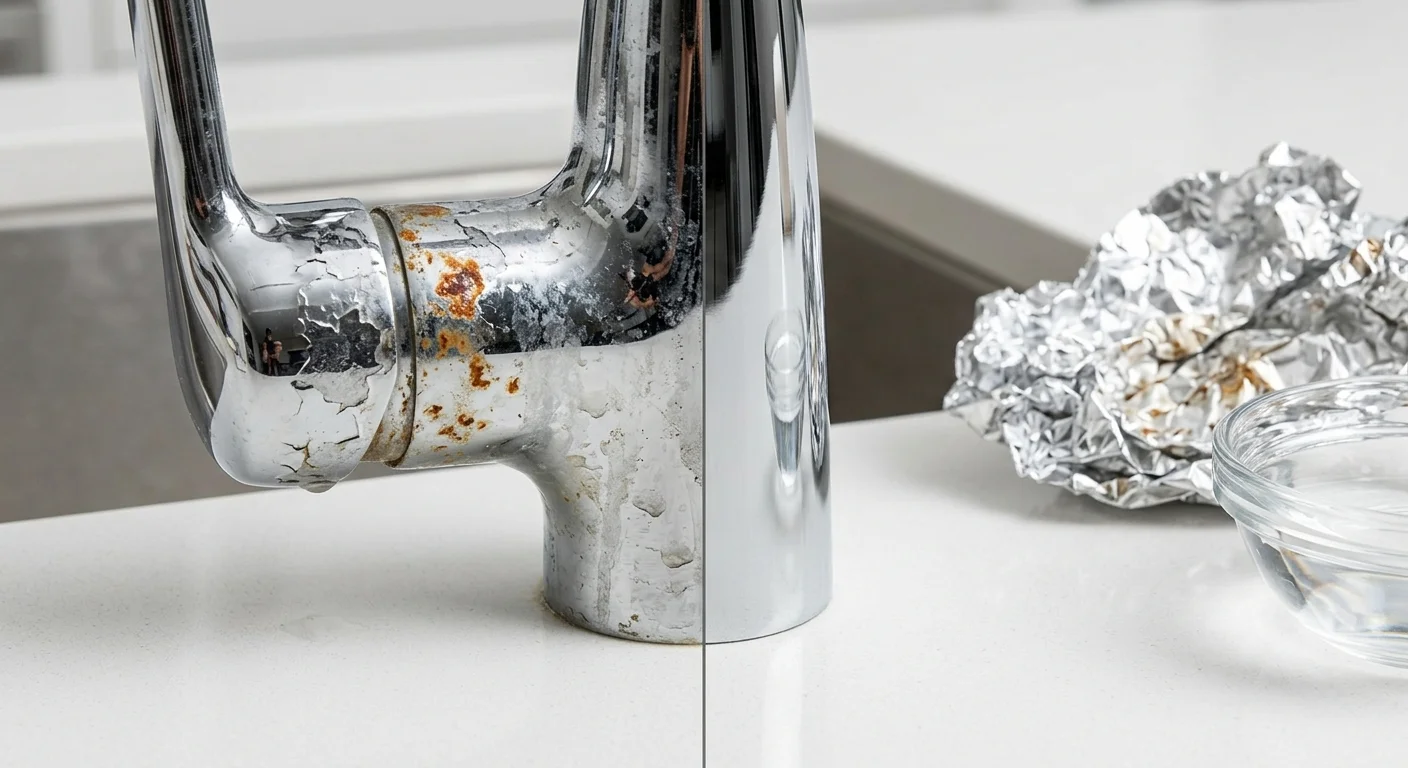
Laser cleaning can remove surface rust, oxide deposits, and weld heat tint from stainless steel when the equipment and cleaning parameters are matched to the material. It offers a controlled way to clean stainless steel without using abrasive blasting media or applying chemical pickling solutions during the laser cleaning process.
However, not every type of contamination requires the same treatment.
Light rust spots may need only gentle surface cleaning, while stubborn oxide deposits can require additional passes. Weld heat tint needs particular attention because removing visible discoloration does not necessarily restore the corrosion resistance of the affected area.
For metal fabrication shops, stainless steel manufacturers, and industrial maintenance contractors, choosing the right laser cleaning machine is essential for achieving consistent results without unnecessary surface damage.
This guide explains how to identify different types of stainless steel contamination, adjust laser cleaning settings, choose between pulsed and continuous-wave systems, and evaluate the finished surface.
1. Can Laser Cleaning Remove Rust, Oxide, and Heat Tint?
Yes. Laser cleaning can be effective for all three, but the condition of the stainless steel determines the cleaning method.
The first step is understanding what you are trying to remove.
Surface Condition | Typical Appearance | Laser Cleaning Approach |
|---|---|---|
Surface rust or iron contamination | Red-brown spots or streaks | Controlled cleaning to remove surface deposits |
Light oxide film | Dull or discolored surface | Low-energy cleaning with careful finish control |
Weld heat tint | Yellow, blue, purple, or brown bands | Localized cleaning around the weld and heat-affected zone |
Heavy weld oxide | Dark gray or black deposits | Multiple controlled passes after sample testing |
Deep pitting corrosion | Cavities or rough damaged areas | Cleaning removes deposits but cannot repair lost metal |
Removing Rust from Stainless Steel
Stainless steel can develop rust-colored staining despite its corrosion resistance.
In many fabrication shops, these stains result from iron contamination introduced by carbon steel brushes, grinding dust, tooling, or nearby metalworking operations.
Surface corrosion can also develop when stainless steel is exposed to chlorides, moisture, or other aggressive environments.
A laser rust remover can remove suitable surface corrosion products and deposits without the direct mechanical abrasion associated with grinding.
For light rust spots on 304 or 316L stainless steel, a pulsed laser cleaner is often a useful starting point because it offers controlled energy delivery over a relatively small area.
However, it is important to distinguish surface rust from actual corrosion damage.
If corrosion has created deep pits, laser cleaning can remove deposits from the affected area, but it cannot replace the metal already lost.
The underlying cause of corrosion must also be addressed to prevent the problem from returning.
Removing Oxide Layers and Surface Scale
Oxide deposits can form during welding, heating, manufacturing, or prolonged exposure to elevated temperatures.
Light oxide films may be removed with relatively gentle cleaning, while thick or strongly bonded deposits can require greater total cleaning energy.
The challenge is removing the unwanted layer without melting, roughening, or changing the stainless steel underneath.
For brushed or polished stainless steel, surface finish preservation is often more important than maximum cleaning speed.
Start with a representative sample and evaluate whether the laser changes the original color, texture, or reflectivity.
Heavily oxidized surfaces may require a different cleaning strategy or additional surface treatment, especially when the material must meet strict corrosion-resistance requirements.
Removing Weld Heat Tint
Heat tint is the colored oxide layer that develops around stainless steel welds during welding.
It commonly appears as yellow, gold, purple, blue, brown, or dark gray discoloration.
For stainless steel fabricators, weld heat tint is more than a cosmetic issue. Welding oxidation can affect the corrosion resistance of the surface and nearby heat-affected region.
Pulsed laser cleaning can remove visible heat tint and surface oxides with controlled scanning along the weld.
This makes it useful for stainless steel tanks, pipes, fabricated housings, welded assemblies, and other components that require localized cleaning.
However, removing visible heat tint does not automatically guarantee that the weld's original corrosion resistance has been fully restored.
The affected area may also contain a chromium-depleted surface layer. Depending on the application and acceptance requirements, additional qualified descaling, passivation-related treatment, or corrosion testing may be necessary.
For food-processing, pharmaceutical, marine, and chemical equipment, follow the applicable material and project specifications rather than relying on appearance alone.

2. How to Laser Clean Stainless Steel Safely
The most reliable cleaning process begins with surface inspection and sample testing.
Different stainless steel grades, surface finishes, contamination levels, and laser configurations respond differently to the same settings.
A controlled workflow helps avoid unnecessary heat buildup, discoloration, and surface damage.
Step 1: Identify the Material and Contamination
Confirm whether the workpiece is 304, 316, 316L, or another stainless steel grade.
Inspect the surface for rust, heat tint, oxide scale, coatings, oil, or signs of existing pitting.
For weld cleaning, identify the weld bead, heat-affected zone, and surrounding finished surface.
This helps determine where cleaning is needed and which areas require greater caution.
Step 2: Prepare the Work Area
Laser cleaning equipment can create hazardous direct or reflected laser radiation, especially when working on reflective metals such as stainless steel.
Before operation, establish a suitable laser-controlled area with engineering controls, access restrictions, and beam containment appropriate to the equipment's classification.
Use wavelength-appropriate protective eyewear and protective equipment specified by the laser safety assessment.
Provide effective local fume extraction because the cleaning process can release airborne particles and potentially hazardous substances from the material and contamination being removed.
Only trained, authorized operators should perform the work.
Step 3: Start with a Small Test Area
Choose a representative section of the actual workpiece or a matching sample.
Use the equipment manufacturer's approved operating range and begin with a conservative cleaning setup suitable for the material.
Avoid attempting to remove the entire oxide layer using maximum power immediately.
Inspect the initial result for remaining deposits, discoloration, changes in gloss, roughness, and signs of overheating.
Step 4: Adjust the Cleaning Parameters
If the first pass does not remove all contamination, adjust the cleaning process gradually.
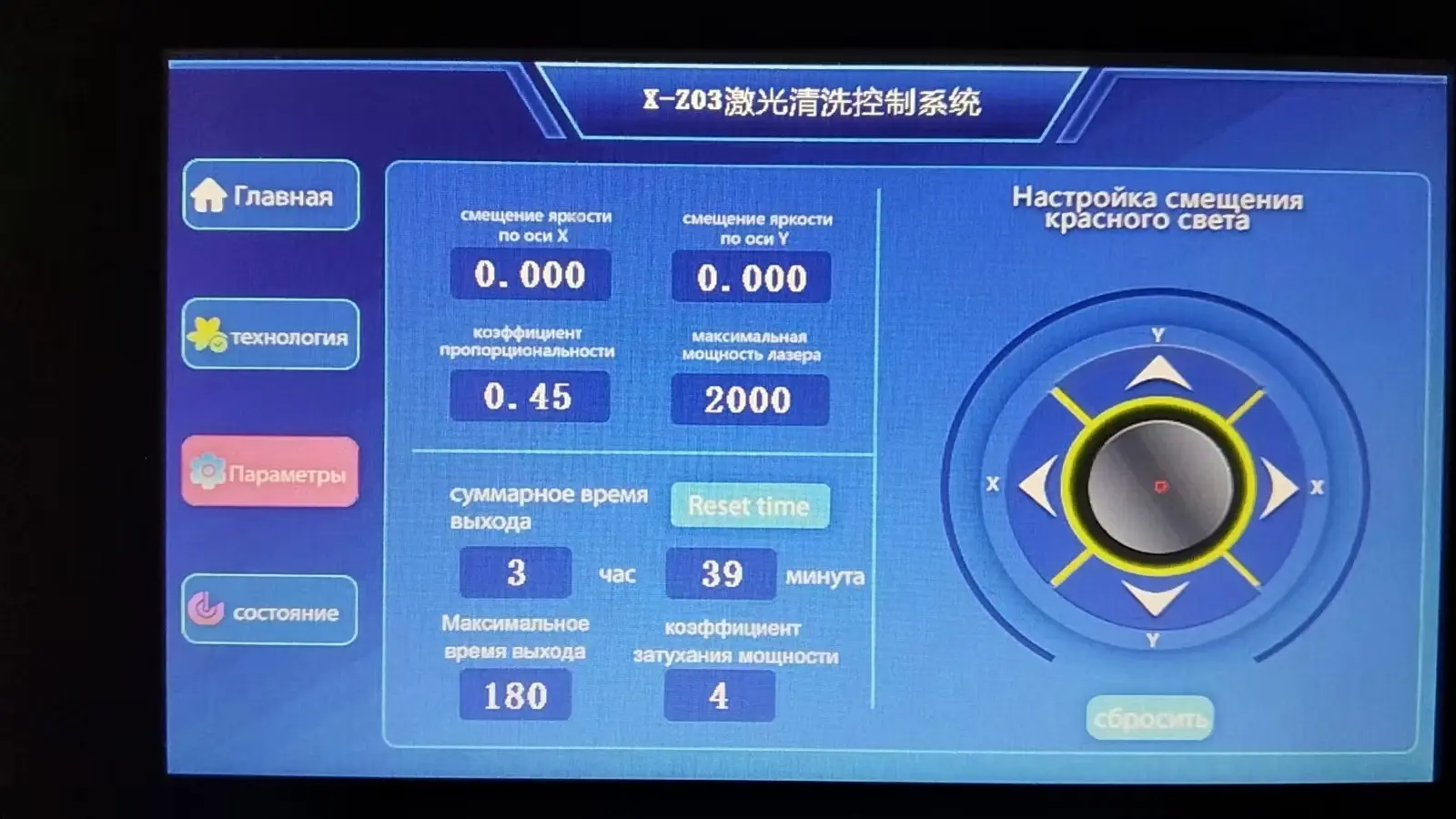
Depending on the laser system, this may involve changing pulse energy, scanning speed, frequency, scan width, overlap, or number of passes.
Change one relevant variable at a time so the effect can be evaluated.
If the surface develops new discoloration, visible melting, pitting, or unwanted texture changes, stop and reassess the settings.
Step 5: Clean the Required Area
Once the sample meets the required visual and surface-quality criteria, apply the validated process to the remaining area.
Maintain consistent working distance and scanning coverage.
Pay particular attention to weld edges, corners, thin sections, and other areas where excessive energy may accumulate.
Avoid repeatedly treating already-clean areas without a clear reason.
Step 6: Inspect the Finished Surface
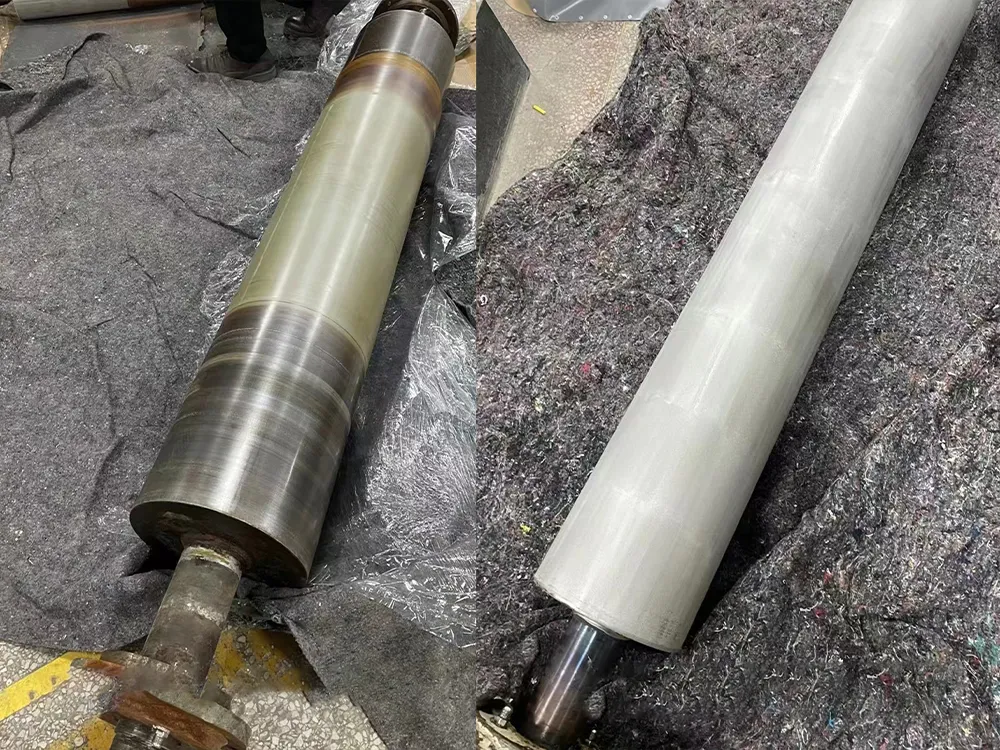
After cleaning, inspect the surface under consistent lighting.
Confirm that unwanted deposits have been removed without unacceptable discoloration, roughening, melting, or distortion.
Where required, complete additional cleanliness, surface-condition, or corrosion-resistance testing before releasing the component.
3. How to Adjust Laser Cleaning Parameters Without Damage
Laser cleaning performance depends on more than the machine's advertised wattage.
The amount of energy delivered to the surface is influenced by laser power, pulse characteristics, spot size, scanning speed, overlap, and the number of cleaning passes.
For stainless steel, the objective is to remove contamination while maintaining the required surface condition.
Which Parameters Matter Most?
Parameter | Effect on Cleaning | What to Watch |
|---|---|---|
Laser Power | Influences available cleaning energy | Excessive energy may alter or damage the surface |
Pulse Energy | Affects energy delivered in each pulse | Higher energy may increase removal but also damage risk |
Pulse Frequency | Influences pulse delivery and energy distribution | Must be coordinated with power and scan speed |
Pulse Width | Influences how energy interacts with the surface | Different settings can change thermal effects |
Scan Speed | Controls exposure during beam movement | Excessive dwell may cause heating or surface changes |
Scan Width and Overlap | Affect coverage and cleaning uniformity | Poor overlap may leave stripes; excessive overlap can increase exposure |
Number of Passes | Changes total energy delivered | Repeated passes can remove residue but increase damage risk |
The correct settings depend on the machine's laser source and control system. Two systems with the same average power may deliver energy very differently.
Recommended Approach by Contamination Type
Cleaning Task | Initial Approach | Main Concern |
|---|---|---|
Light rust spots | Conservative pulsed cleaning | Preserve the original finish |
Surface iron contamination | Controlled localized passes | Remove deposits without adding contamination |
Weld heat tint | Uniform pulsed scanning | Remove discoloration while limiting surface alteration |
Dark weld oxide | Sample-test additional passes or energy | Avoid excessive heat at weld edges |
Heavy oxide deposits | Match cleaning capacity to the oxide layer | Prevent base-metal damage |
Polished stainless steel | Finish-sensitive, low-impact testing | Avoid changes in gloss or texture |
For lightly stained or polished components, begin with the minimum validated energy needed to remove the contamination.
For thicker oxide deposits, additional passes or a different machine configuration may be required.
Do not use one fixed power, frequency, or scan-speed recipe for every stainless steel part.
A setting that works on thick 304 plate may produce unacceptable results on thin 316L sheet or a mirror-finished component.
Before cleaning production parts, validate the process on the actual material and record the settings that achieve the required result.
4. Pulsed vs CW Laser Cleaner: Which Should You Choose?
For stainless steel applications, the choice between pulsed and continuous-wave laser cleaning depends on the surface finish, contamination thickness, and production requirements.
Both technologies can remove suitable surface contaminants, but they differ in energy delivery and their potential thermal effects.
Pulsed Laser Cleaning for Precision Work
A pulsed laser cleaner delivers energy in short pulses, allowing operators to control the interaction with the surface.
This makes pulsed systems particularly useful for localized stainless steel cleaning, thin components, finished surfaces, and weld discoloration.
Common applications include:
Removing light rust from stainless steel equipment.
Cleaning weld heat tint and surface oxides.
Treating stainless steel pipes, tanks, and fabricated parts.
Cleaning areas near finished or precision-machined surfaces.
Preparing localized areas before welding or other manufacturing operations.
For businesses handling regular stainless steel maintenance, a pulsed laser cleaning machine is often the more suitable starting point.
Continuous-Wave Laser Cleaning for Larger Areas
A continuous-wave (CW) laser cleaner delivers a continuous beam rather than discrete cleaning pulses.
Higher-power CW systems can be useful for demanding large-area cleaning tasks, especially on robust metal surfaces where productivity is a major concern.
However, CW cleaning can introduce greater thermal loading under some operating conditions.
For thin stainless steel, polished surfaces, or delicate weldments, this may increase the risk of discoloration, changes in surface texture, or distortion.
CW cleaning should therefore be evaluated carefully rather than chosen solely for its higher advertised power.
Which Laser Power Is Suitable for Stainless Steel?
The following are practical equipment-selection categories, not guaranteed cleaning capacities or universal process settings.
Laser Configuration | Applications Worth Evaluating |
|---|---|
100W Pulsed | Light rust, small stainless steel parts, localized cleaning |
200W Pulsed | Regular weld heat tint cleaning, moderate workloads |
300W Pulsed | Larger weldments, repeated cleaning operations, higher productivity needs |
500W Pulsed | Greater cleaning coverage and industrial production requirements |
1000–3000W CW | Larger-area, heavier-duty cleaning where surface finish and heat effects permit |
For a small fabrication workshop cleaning occasional weld discoloration, a 100W or 200W pulsed system may be sufficient after sample testing.
Businesses processing larger batches of stainless steel components may benefit from evaluating 300W or 500W pulsed configurations.
High-power CW equipment is better considered when substantial cleaning capacity is required and the material can tolerate the validated thermal effects.
However, higher power does not automatically mean better stainless steel cleaning.
A correctly configured lower-power system may deliver better surface quality than a higher-power machine operated with unsuitable settings.
When comparing industrial laser cleaners, ask for test results on your own stainless steel samples, including cleaning quality, cycle time, and any visible changes to the surface.

5. How to Check Results and Prevent Repeat Corrosion
Successful stainless steel laser cleaning is not simply a matter of making the surface look brighter.
For commercial applications, the cleaned area must meet the customer's requirements for appearance, cleanliness, material condition, and corrosion resistance.
What Should You Inspect After Cleaning?
Check the following before accepting the result:
Residual contamination: Are visible rust, oxide deposits, and heat-tint marks removed to the required standard?
Surface finish: Has the original brushed, polished, or machined appearance been preserved where required?
Heat damage: Are there any new colored areas, melting marks, or unexpected changes in surface texture?
Pitting: Did cleaning reveal existing corrosion cavities, or create unacceptable surface damage?
Cleaning consistency: Is the treatment uniform without obvious scanning stripes or untreated patches?
For critical components, visual inspection alone may not be sufficient.
Tests for residual iron contamination, surface roughness, cleanliness, or corrosion performance may be required depending on the application.
Does Laser Cleaning Replace Stainless Steel Passivation?
Not automatically.
Stainless steel naturally forms a protective passive film when an appropriately clean surface is exposed to oxygen.
However, laser cleaning that removes visible heat tint does not necessarily remove all affected metal below the oxide layer.
For applications requiring verified corrosion resistance, further surface treatment or testing may be necessary.
ASTM A380/A380M addresses stainless steel cleaning, descaling, pickling, and passivation practices, while ASTM A967/A967M covers chemical passivation treatments and related verification methods.
The required procedure should be determined by the component's specification and service environment.
How Can You Prevent Rust from Returning?
Once the stainless steel has been cleaned, preventing new contamination is important.
Avoid contact with carbon steel brushes, grinding dust, and contaminated handling tools.
Keep surfaces clean and dry where practical, and address chloride exposure, poor drainage, or other conditions that contributed to corrosion. Learn more about our engineering-driven testing approach in About LaserCleanerPro.
For welded components, proper welding procedures and shielding can also reduce excessive heat tint formation.
These preventive steps help protect the value of the cleaning work and reduce the need for repeated maintenance.
Conclusion
Laser cleaning can be an effective method for removing rust, oxide deposits, and weld heat tint from stainless steel, but the best results depend on matching the cleaning process to the surface condition.
Light rust and localized weld discoloration often suit controlled pulsed laser cleaning, while larger or more demanding cleaning tasks may justify higher-power equipment.
For stainless steel fabrication and maintenance businesses, the main priority should be consistent contaminant removal without unacceptable changes to the underlying metal.
Always begin with a representative sample, evaluate the cleaned surface, and confirm any additional corrosion-resistance requirements before putting critical components back into service.
Not sure which laser cleaner is suitable for your stainless steel applications? Contact LaserCleanerPro to discuss your materials, contamination types, and daily cleaning workload. Our team can help you compare pulsed and CW laser cleaning equipment, evaluate sample cleaning results, and select a machine that matches your business requirements.