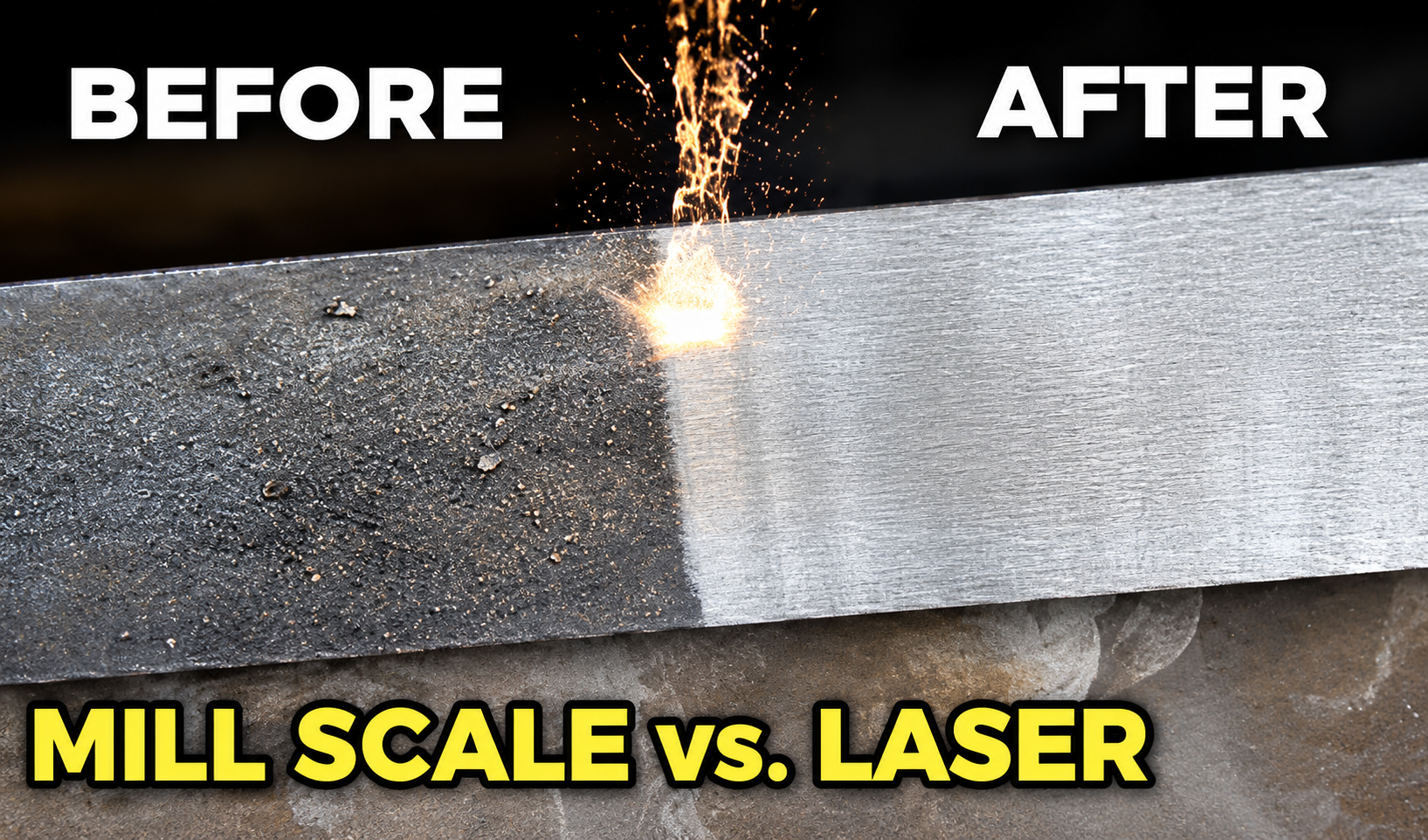
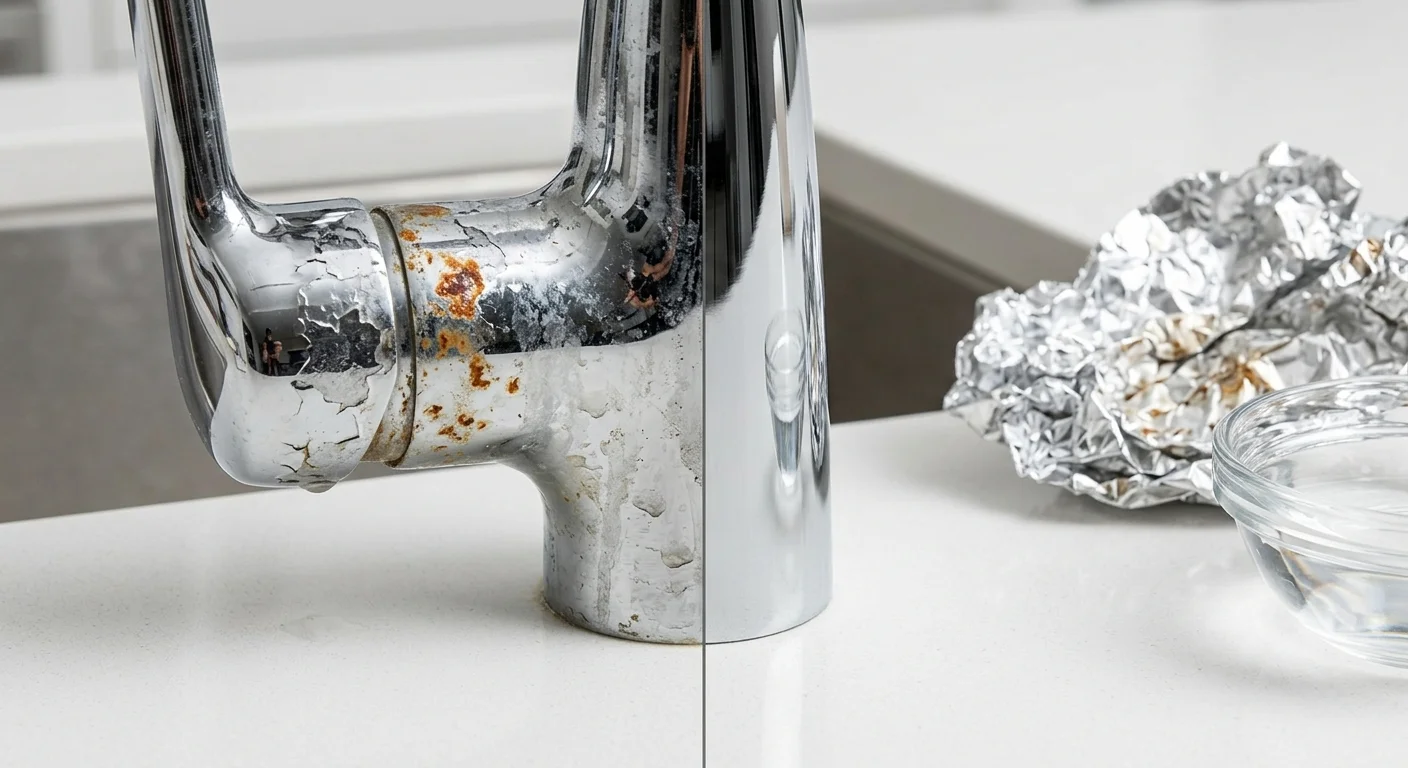
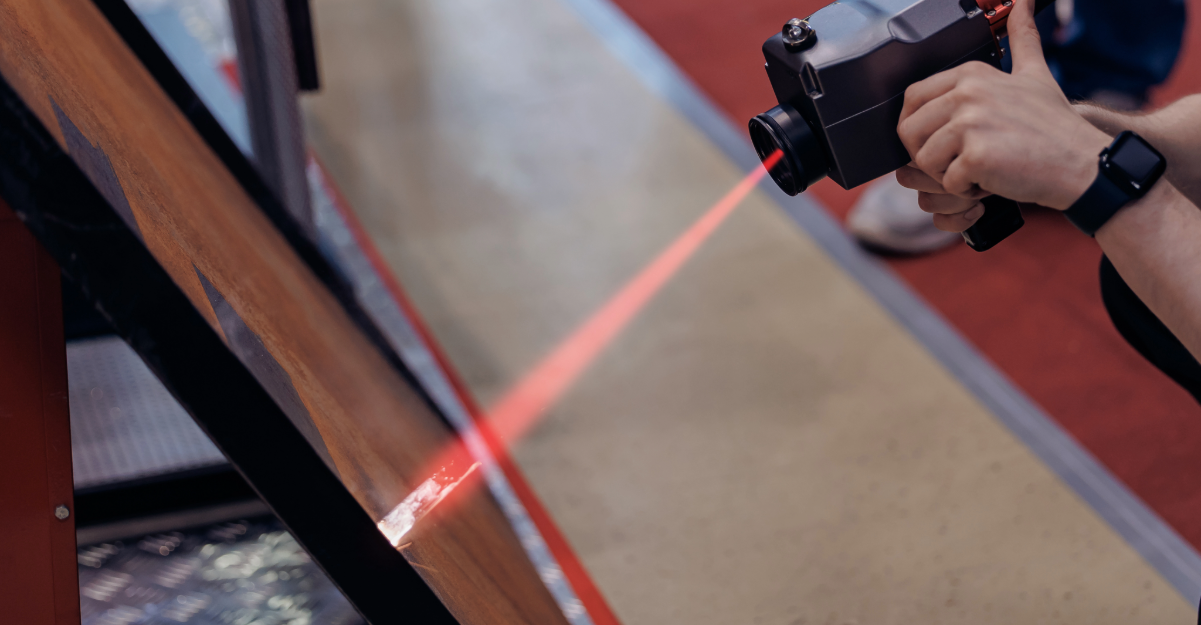
Yes. Laser cleaning can remove oxide, paint, oil, and other surface contamination from aluminum without significant damage to the underlying metal when the equipment and parameters are properly matched to the application.
However, aluminum requires more careful control than many steel-cleaning applications.
Its high reflectivity, thermal conductivity, and relatively low melting temperature make it possible to alter the surface if too much laser energy is delivered to one area.
For most buyers, the goal is not simply to remove contamination. It is to achieve the required cleaning result while preserving the aluminum's surface finish, dimensions, and performance.
A professional laser cleaning machine can handle different aluminum-cleaning tasks, but the appropriate process depends on what needs to be removed and what must remain intact.
Cleaning Application | Can Laser Cleaning Work? | Main Consideration |
|---|---|---|
Surface oxide | Yes | Avoid excessive substrate removal |
Light oil and residue | Yes | Confirm complete contamination removal |
Paint and coatings | Yes | Preserve the required aluminum finish |
Weld discoloration | Yes | Control heat and surface alteration |
Anodized aluminum | Depends on the goal | The anodized layer may be affected |
The safest approach is to use a controlled cleaning process, start with the manufacturer's recommended settings, and verify the results on a representative sample before production.
1. What Can Laser Cleaning Remove From Aluminum?
Laser cleaning can remove several types of surface contamination from aluminum, but different materials respond differently to laser energy.
A setting that removes oil effectively may not remove a thick paint layer, while a setting suitable for paint stripping could alter the exposed aluminum surface.
Aluminum Oxide Removal
Aluminum naturally forms a thin oxide layer when exposed to air.
This oxide protects the underlying metal, but some manufacturing processes require controlled removal of existing surface oxides or contamination before welding, bonding, or coating.
Pulsed laser cleaning can remove suitable oxide layers by delivering controlled energy to the surface.
However, aluminum will naturally form a new oxide film after cleaning. Laser treatment does not leave the metal permanently oxide-free.
For welding or bonding preparation, the real objective is to achieve a surface condition suitable for the next process—not simply to make the aluminum look brighter.
Paint and Coating Removal
Laser cleaning can remove paint and certain protective coatings from aluminum.
This is useful for equipment refurbishment, localized coating repair, and industrial maintenance.
The challenge is removing the coating without changing the surface underneath.
For example, a thin aluminum panel may become discolored, roughened, or locally melted if the process uses excessive energy or repeated passes.
A controlled pulsed process is often preferable when preserving the underlying metal is more important than maximum stripping speed.
Oil and Weld Residue
Laser cleaning can also remove thin oil films, light residues, and selected weld-related surface contamination.
These applications may require less aggressive treatment than removing thick coatings.
However, heavily contaminated parts can still need additional cleaning or degreasing, and the laser-generated fumes must be properly extracted.
The required process depends on the contaminant, its thickness, and the intended surface condition.
What About Anodized Aluminum?
Anodized aluminum requires special attention.
Anodizing intentionally creates a protective oxide layer on the metal.
If the purpose of cleaning is to preserve that layer, an unsuitable laser treatment may damage or remove the finish.
If the objective is to remove anodizing, the process can be assessed separately.
Do not assume that a machine capable of removing oxide can also clean anodized aluminum without altering its original appearance or protective properties.
For finished or decorative aluminum, confirm whether preserving the existing coating is an essential requirement before selecting any laser parameters.

2. Which Laser Cleaning Settings Help Prevent Aluminum Damage?
Aluminum cleaning requires a balance between removing the unwanted layer and avoiding excessive energy delivery to the substrate.
There is no universal safe wattage, pulse frequency, or energy-density threshold for every aluminum alloy.
The correct settings depend on the laser source, surface condition, coating, alloy, and required finish.
Start With Pulsed Laser Cleaning
For many precision aluminum applications, a pulsed laser cleaner is the better starting point.
Pulsed systems deliver energy in short bursts, allowing the process to be adjusted for controlled surface removal.
This can be particularly useful for thin aluminum parts, localized oxide removal, and coating-stripping applications where unnecessary heat input must be limited.
However, pulsed cleaning does not automatically guarantee zero damage.
Excessive pulse energy, slow scanning, or repeated passes can still melt or alter the surface.
Understand the Four Main Settings
Setting | What It Changes | How to Reduce Damage Risk |
|---|---|---|
Laser Power | Average energy delivered | Avoid more power than the process requires |
Pulse Frequency | Pulse repetition and energy distribution | Follow the laser's pulse-energy characteristics |
Scan Speed | Exposure time along the surface | Avoid unnecessary slow scanning |
Overlap | Repeated exposure between pulses and scan lines | Prevent excessive cumulative energy |
Laser Power: Higher power can increase removal capability, but it can also increase the risk of substrate alteration. Begin within the manufacturer's qualified range and increase only when cleaning remains incomplete.
Pulse Frequency: Frequency affects how energy is delivered. Its relationship with pulse energy depends on the laser source and operating mode, so higher frequency should not automatically be interpreted as safer.
Scan Speed: Slower scanning generally increases exposure at a given location. Excessive exposure can lead to discoloration, melting, or unwanted surface changes.
Overlap: Repeated pulses and closely spaced scan lines can improve cleaning coverage, but excessive overlap may accumulate too much energy.
The objective is to find the lowest practical energy delivery that produces complete cleaning without exceeding the surface's acceptable limits.
Thin Sheet and Thick Plate Need Different Treatment
Thin aluminum panels can be more sensitive to local heating and distortion.
For these applications, use conservative settings and pay close attention to repeated passes.
Thicker aluminum parts may tolerate a wider thermal processing range, but that does not mean they are immune to surface damage.
The alloy and intended use remain important.
An aircraft component, automotive panel, and ordinary aluminum casting may have very different acceptance requirements even when their thicknesses are similar.
Avoid Universal Safe-Setting Claims
A published setting that successfully removed paint from one aluminum alloy should not be treated as a guaranteed safe setting for another alloy.
Different coatings, laser pulse shapes, focal conditions, and overlap patterns can change the result substantially.
For industrial buyers, a validated process window is more useful than a universal parameter chart.
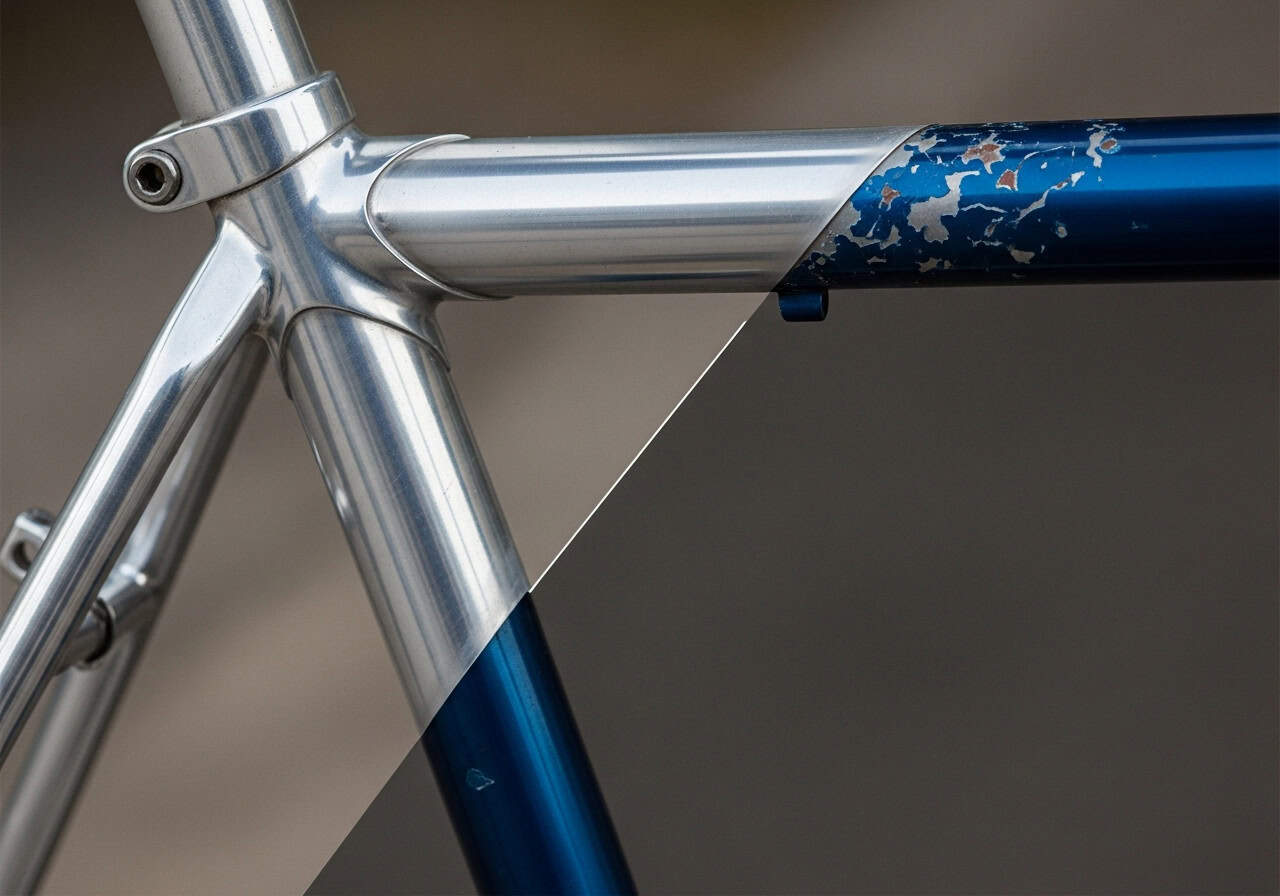
3. How Can You Tell If Laser Cleaning Has Damaged Aluminum?
The cleaned surface should not only look clean. It should also meet the requirements of the next manufacturing or finishing step.
Damage can occur even when the original contamination has been removed.
Common Signs of Surface Damage
Excessive laser exposure may produce visible or microscopic changes.
Typical warning signs include:
Discoloration: Unexpected changes in color, brightness, or gloss
Pitting: Small craters or localized material removal
Surface Texture Changes: Rippling, roughening, or resolidified metal
Melting: Raised edges, droplets, or visible flow marks
Distortion: Warping or dimensional changes in thin components
These symptoms may indicate that the selected process is too aggressive for the material.
However, a change in appearance alone does not always prove unacceptable damage. Some applications intentionally modify surface texture.
The final judgment should depend on the required finish and material specification.
Check More Than Appearance
A bright, uniform aluminum surface is not automatically suitable for welding, bonding, or coating.
Some contamination may remain invisible, while the laser itself may have changed the surface roughness or chemistry.
For normal industrial work, visual inspection and comparison with an untreated reference can provide an initial assessment.
For applications with tighter requirements, additional checks may include surface roughness, dimensional measurements, residual contamination, or downstream adhesion performance.
The acceptance method should follow the intended application.
Stop When Damage Appears
If a test area develops unexpected pitting, melting, or distortion, stop the cleaning test.
Do not continue increasing laser power or repeatedly scanning the same area.
Instead, review the focal position, scan speed, pulse characteristics, and overlap.
Then repeat the test on a fresh representative area using a less aggressive setup.
Complete contamination removal is not a successful result if the process also damages a surface that needed to remain intact.
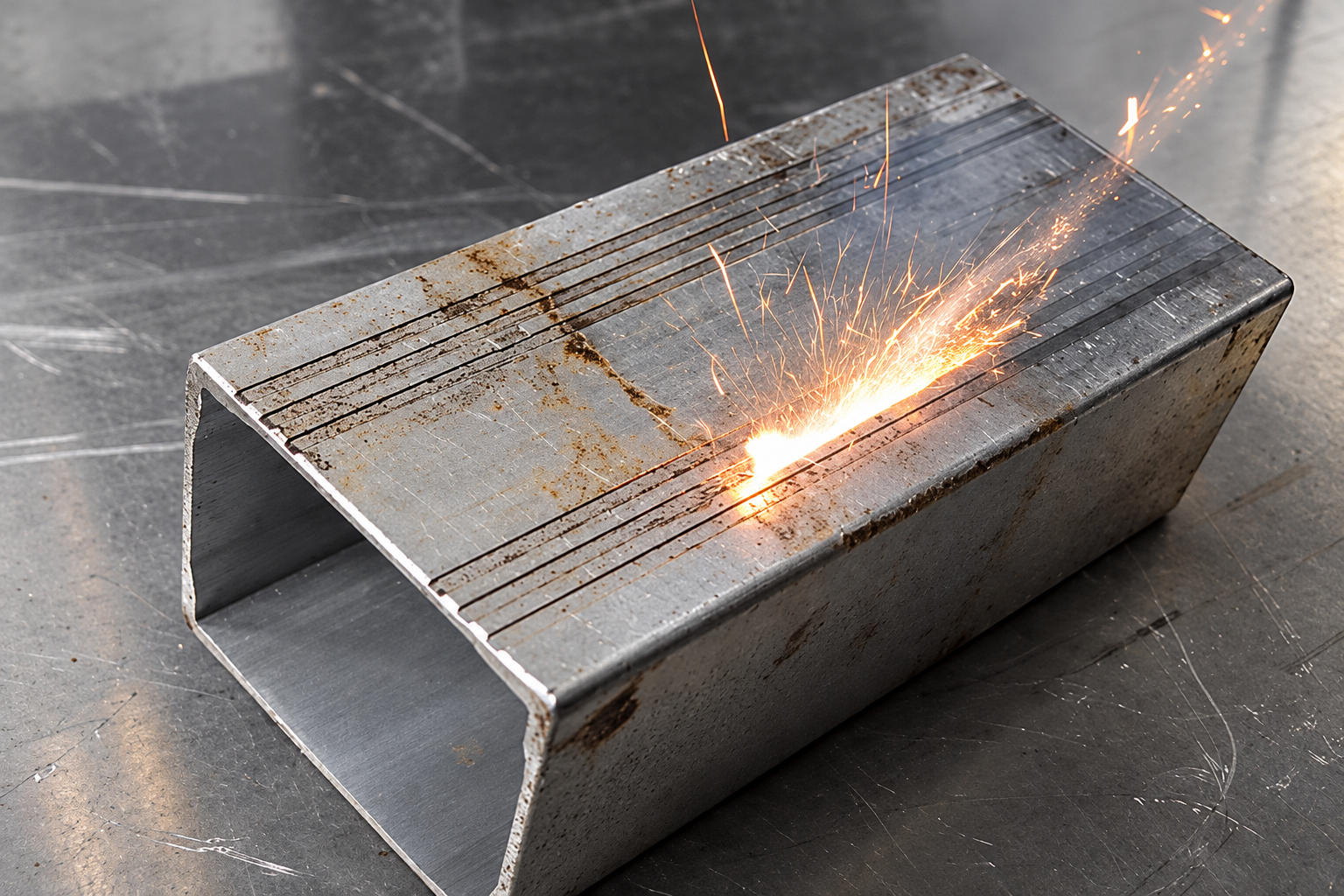
4. How Should You Test and Choose a Laser Cleaner?
For aluminum, sample testing is the most reliable way to decide whether a cleaning process is appropriate.
It also helps determine whether the machine can achieve the required result at a practical production speed.
Test on Representative Aluminum
Use a sample that matches the actual component as closely as possible.
Confirm the alloy, thickness, coating, and original surface finish.
If the production part contains several surface conditions, such as bare aluminum and painted areas, evaluate them separately.
Do not assume one set of settings will work equally well on every area.
Establish a Safe Cleaning Process
Begin with an approved starting configuration for the machine and application.
Clean a small representative area using controlled exposure rather than prolonged stationary heating.
Inspect the result before making adjustments.
A practical test should record:
Aluminum alloy and surface condition
Contaminant or coating type
Laser settings and number of passes
Cleaning time and final surface appearance
Any damage or downstream acceptance results
Change one major variable at a time.
Once the process consistently produces an acceptable result, document the settings for future use.
Match the Machine to Your Application
For localized oxide removal, precision components, and sensitive aluminum surfaces, pulsed laser cleaning is generally the first technology to evaluate.
For large industrial surfaces or heavier coatings, equipment selection depends on the removal workload and how much surface alteration is acceptable.
A high-power industrial laser cleaner may offer greater throughput for robust metal-cleaning applications, but it should not be assumed suitable for delicate aluminum merely because it removes coatings quickly.
The correct machine must balance cleaning quality, productivity, and substrate protection.
Verify the Complete Cleaning Process
Before production, confirm that the treated aluminum meets its intended requirements.
For welding preparation, evaluate the cleaned surface through the appropriate welding procedure.
For bonding or recoating, check the required surface condition and adhesion performance.
For precision components, verify that roughness and dimensions remain within tolerance.
The final selection should therefore consider cleaning effectiveness, surface integrity, repeatability, and total processing time.
Use Appropriate Safety Controls
Aluminum can reflect laser radiation, creating additional risks during open-beam processing.
Industrial laser cleaners typically involve Class 4 laser hazards and require suitable beam controls, restricted access, trained operators, and wavelength-appropriate protection.
Laser cleaning also generates particles or fumes from the material being removed.
Use appropriate extraction and filtration, particularly when cleaning painted, coated, or oily components.
A laser cleaning process should only be considered production-ready when both surface performance and safe operation have been established.
Conclusion
Can you laser clean aluminum without damaging the surface?
Yes, provided the laser cleaning process is properly controlled and validated for the specific aluminum alloy, contamination, and required finish.
For many aluminum applications, pulsed laser cleaning is the preferred starting direction because it allows more controlled energy delivery.
However, no fixed power or frequency setting guarantees that every aluminum surface will remain unchanged.
The most important factors are laser energy, pulse characteristics, scan speed, overlap, and repeated exposure.
Before cleaning valuable components, use representative samples to determine whether the process removes contamination while preserving the required surface properties.
The goal is not simply to make aluminum look clean.
It is to achieve the required cleaning result without unacceptable changes to the underlying material.
If you are choosing a laser cleaner for metal for aluminum oxide removal, paint stripping, or industrial surface preparation, send LaserCleanerPro your aluminum grade, surface condition, coating type, and cleaning requirements.
Our team can help recommend a suitable pulsed laser configuration and arrange sample testing so you can evaluate cleaning quality, surface integrity, and processing time before selecting equipment.