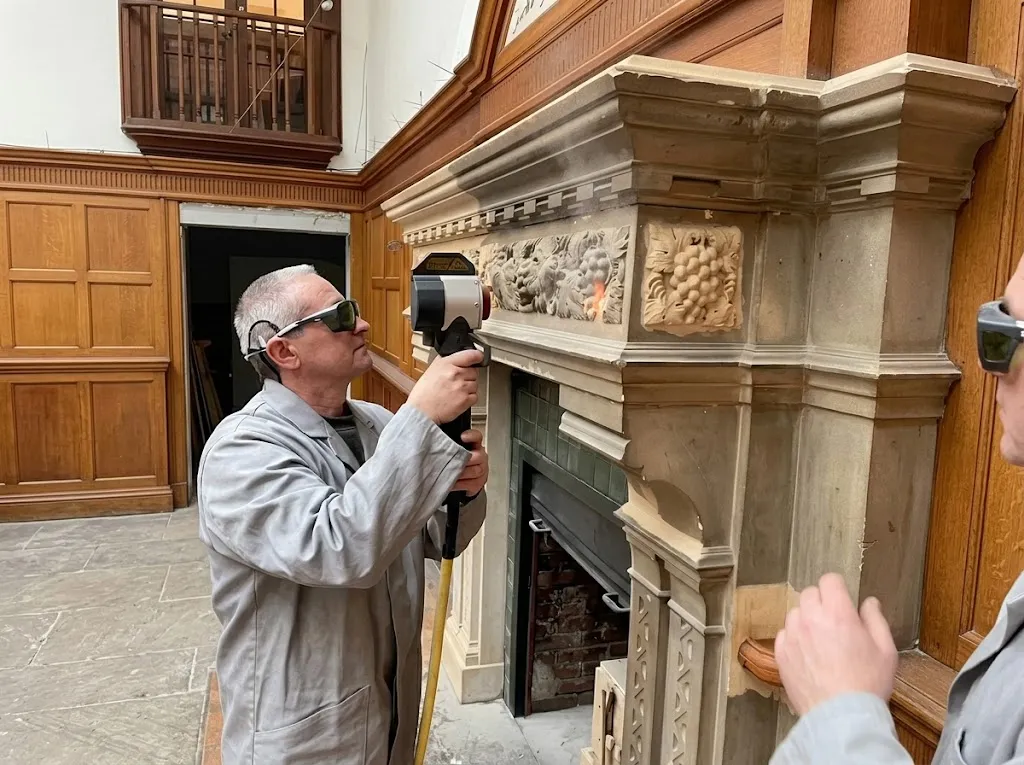
Laser Cleaning for Wood & Furniture Restoration
Remove paint, mould and surface char from antique furniture, carved timber and wood structures without sanding the grain away. Low-power pulsed control works to the detail — and with the right settings, cleans the surface while keeping the wood's natural grain and colour. Always tested first.
The usual methods cost the wood its grain and detail
On furniture and carved timber, the surface and the grain are the value. Sanding and chemical strippers both put that at risk.
Sanding damages grain
Abrasives flatten the grain, round carved detail and can sand through veneer and patina you cannot get back.
Chemical strippers
Strippers raise the grain, soak into joints and leave residue and fumes that complicate refinishing.
Slow on detail
Carved, turned and moulded work is slow and fiddly to clean by hand without rounding the detail.
What matters when the grain is the asset
The questions a furniture or timber restorer weighs — answered straight.
Grain & colour protection
Low-power pulsed energy is tuned to the paint or soiling, not the timber. With the correct settings it is grain-safe — keeping the natural grain and colour — but wood is sensitive, so we always test before visible work.
Even cleaning, no scorching
Controlled scan width and energy keep cleaning even and help avoid localised scorching or charring. Settings are dialled in on a test patch for your specific wood and finish.
Light & flexible on detail
A lightweight handheld head reaches carving, turning and mouldings that sanding cannot follow — flexible enough for intricate antique work.
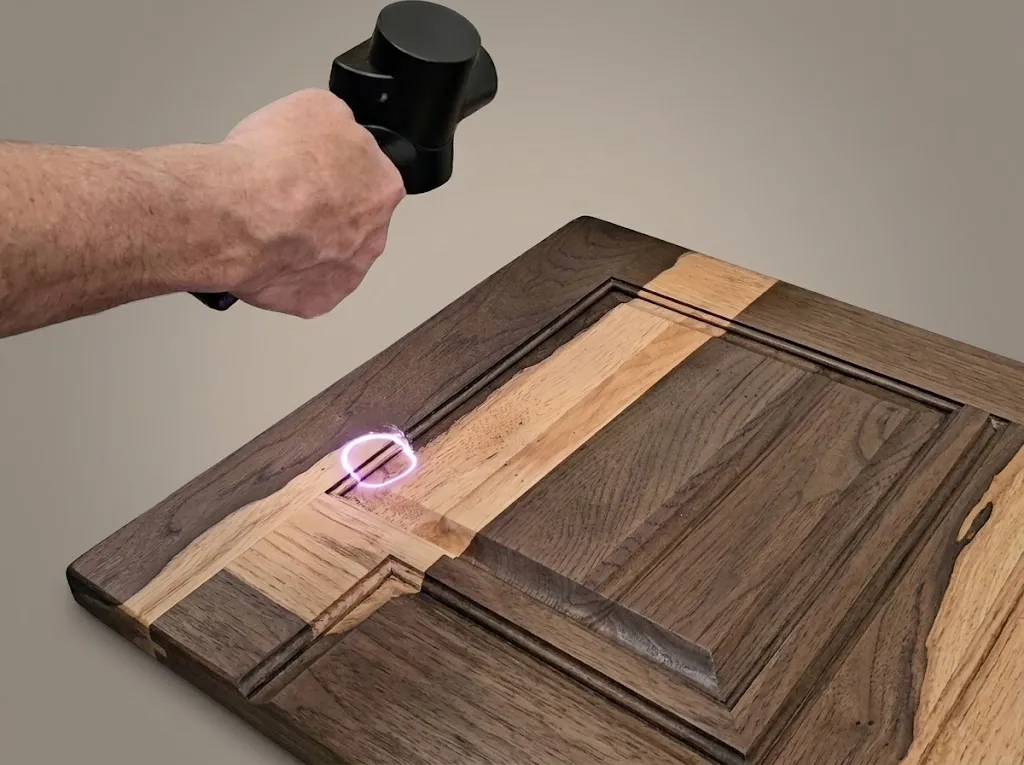
Lift the layer, keep the timber
A low-power pulsed laser is absorbed by the paint, mould or surface char and lifts it away, while the energy is kept low enough to leave the timber beneath. Because there is no abrasive and no chemical, the grain stays intact and there is no stripper residue to deal with before refinishing.
Wood is heat-sensitive. The right result depends on the wood species, the coating, the moisture content and the energy settings. Too much energy can scorch, so we always clean and review a test patch first and dial in safe settings before any visible piece.
From antique carving to timber structures
Surface cleaning across furniture, antiques and architectural timber. Result depends on wood, coating and energy — tested first.
Antique furniture
Strip paint and mould from rosewood and carved furniture.
Carved & turned work
Clean detail and mouldings without rounding them.
Timber structures
Restore beams and posts — old paint and surface char.
Doors, cabins & decks
Refurbish wood doors, log cabins and timber decks.
Common targets:
Low-power pulsed, portable for the bench or site
Wood is the most heat-sensitive job we cover — so this is low-power pulsed territory, run gently and tested first.
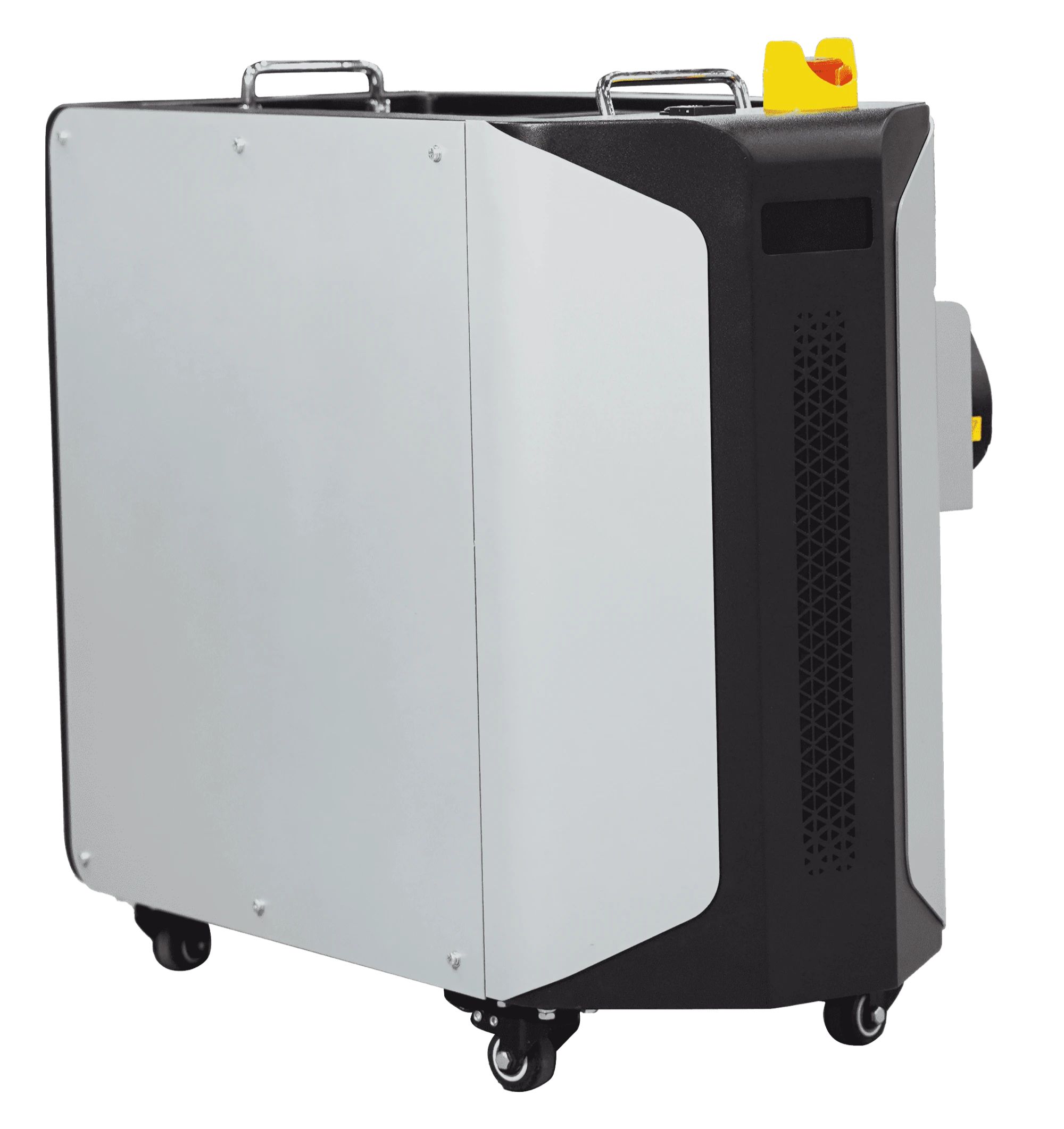
Pulsed — LY100-500W (run low)
A pulsed platform with finely adjustable pulse, frequency and scan width — run at the low end of its range for wood, with the control to keep cleaning gentle and even. Portable handheld units suit benches, on-site timber and antique work.
- Pulsed, run low for heat-sensitive timber
- Adjustable energy & scan width per piece
- Portable handheld for bench & on-site work
How laser compares for wood restoration
Structural differences that matter most on furniture and detailed timber.
| Factor | Laser (low-power pulsed) | Sanding | Chemical stripper | Sandblasting |
|---|---|---|---|---|
| Grain & surface | Kept with correct settings | Flattens grain | Raises grain | Erodes wood |
| Colour / patina | Controlled, tested first | Sands through | Can bleach / stain | Damages surface |
| Carved detail | Follows detail | Rounds detail | Pools in detail | Blasts away detail |
| Chemicals / residue | None | Dust only | Residue & fumes | Grit residue |
Outcome depends on the wood species, coating, moisture and energy settings — we test a patch and confirm safe settings before any visible piece.
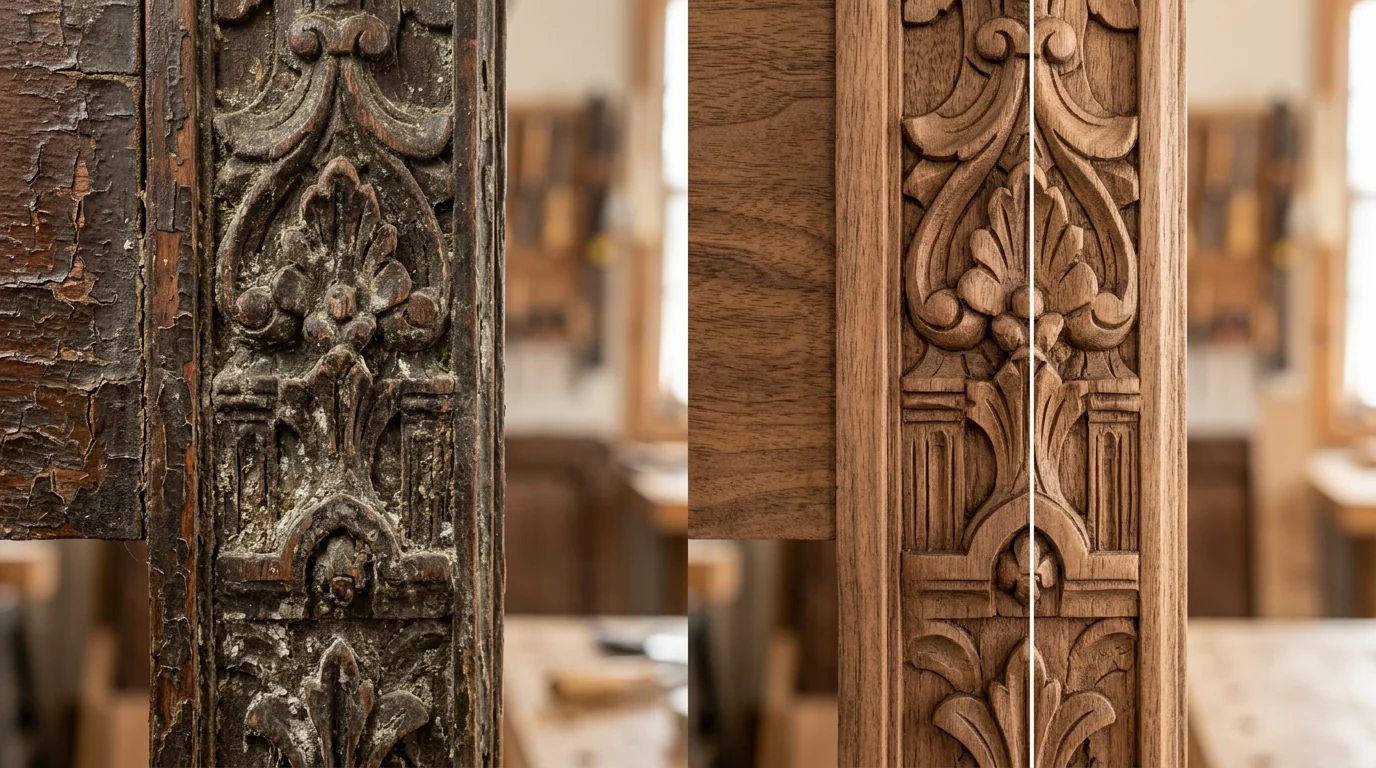
Wood-restoration results
Representative before/after results on furniture and timber.
Materials & conditions matrix
Wood types and what the low-power pulsed process removes — tested first, since timber is heat-sensitive.
| Wood / item | Removal | Notes |
|---|---|---|
| Antique furniture | Paint & mould | Grain-safe, tested patch |
| Carved & turned work | Old finish | Follows detail |
| Timber structures | Surface char & old paint | Low power |
| Doors / cabins / decks | Weathering & paint | Low power |
The result on any combination depends on the material, contaminant, laser power and scanning setup — confirmed on a representative sample.
The workflow, step by step
Grain-safe cleaning that keeps the timber — the restoration workflow.
Assess species, finish & sensitivity
Identify the wood, the finish and how heat-sensitive it is.
Test a patch at low power
Clean a discreet patch and dial in safe settings to avoid scorching.
Set grain-safe parameters
Low-power pulsed energy matched to the finish, not the timber.
Remove gently
Lift paint, mould or char while keeping the grain and colour.
Inspect grain & colour
Confirm the surface is even with no scorching before the next piece.
Related machines & solutions
Wood-restoration laser cleaning questions, answered straight
Discuss your wood project and get a factory-direct quote
Tell us the wood, the finish and what you need to remove. We will recommend a low-power pulsed configuration, offer a sample test, and send pricing — usually within one business day.
- [email protected]
- +86 153 2715 5363
- Mon–Sat 9:00–18:00 (GMT+8)