Laser Cleaner Buying Guide — How to Choose the Right Machine
There is no single best laser cleaner — only the right one for your job. This guide walks the decision step by step: application, power, pulsed vs continuous-wave, cooling and portability — plus the questions to ask any supplier and the red flags to avoid.
Six steps to the right laser cleaner
Work through these in order. Each one narrows the field — by the end you will know the series, power and form factor that fit.
Define the application
Start with the job: rust, paint, weld prep, mold cleaning or degreasing. The contaminant and substrate drive everything else.
See applications by machine →Choose a power tier
Light or detailed work runs at 100–500W; heavy rust and large surfaces need 1000–3000W. Power is the biggest single decision.
Pulsed vs continuous-wave
Pulsed for precision, thin and sensitive substrates; continuous-wave for throughput on heavy work.
Compare cleaning methods →Air or water cooling
Air-cooled units are lighter and portable; high-power CW systems are water-cooled for continuous duty.
Portability
Backpack and handheld for field and service work; a wheeled cabinet for the shop or line.
See portable units →Configuration
Cleaning head, scan width, fiber cable length and controls — configured to the job and your access.
Which series fits your scenario
Three common starting points — open the series for full detail.
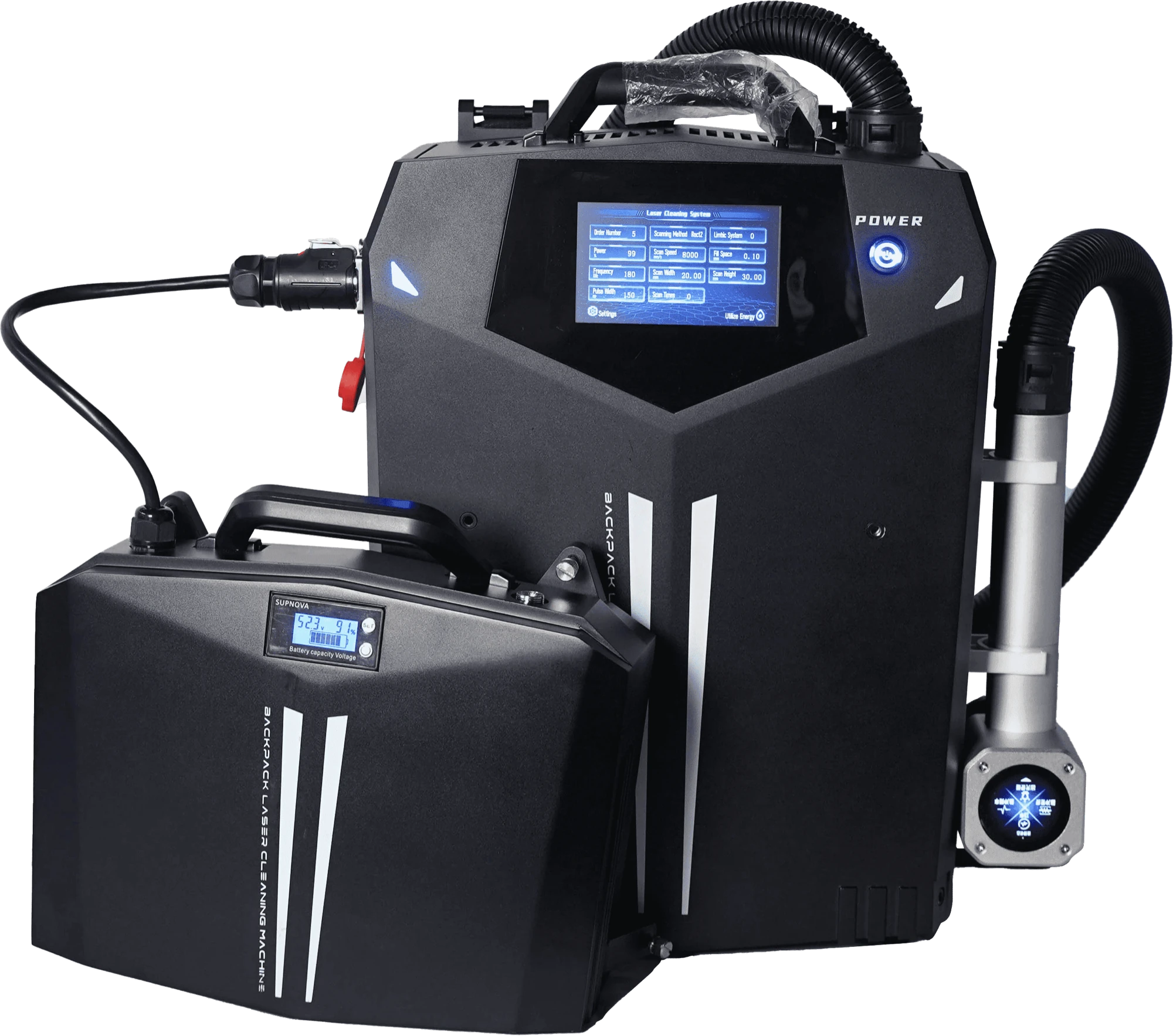
Portable — Backpack / Handheld
On-site rust, paint and graffiti, mobile service and startup work. 100–300W, air-cooled, cordless options.
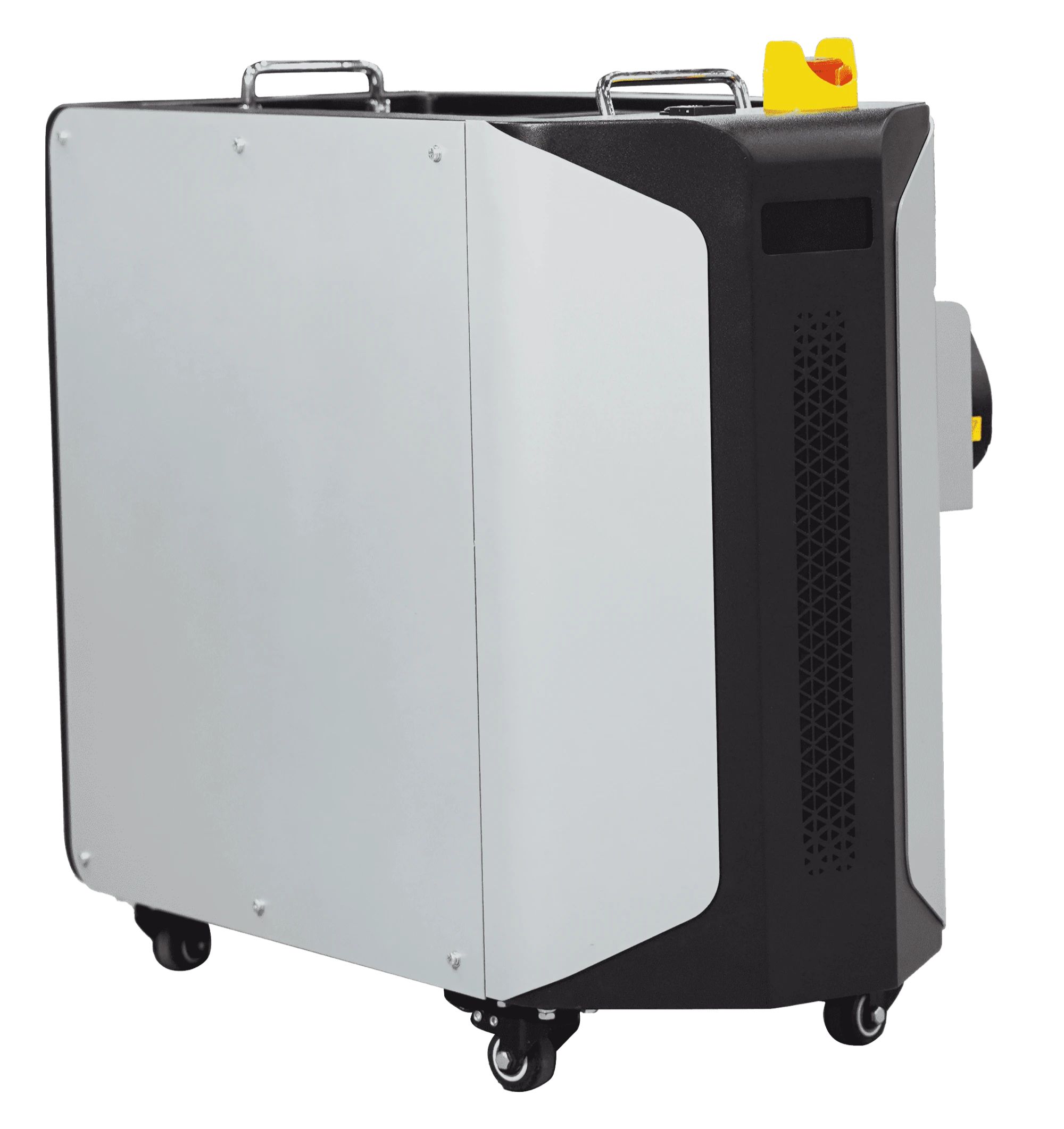
Pulsed — LY100-500W
Molds, automotive, thin substrates and selective coating removal where control matters. 100–500W, 300W popular.
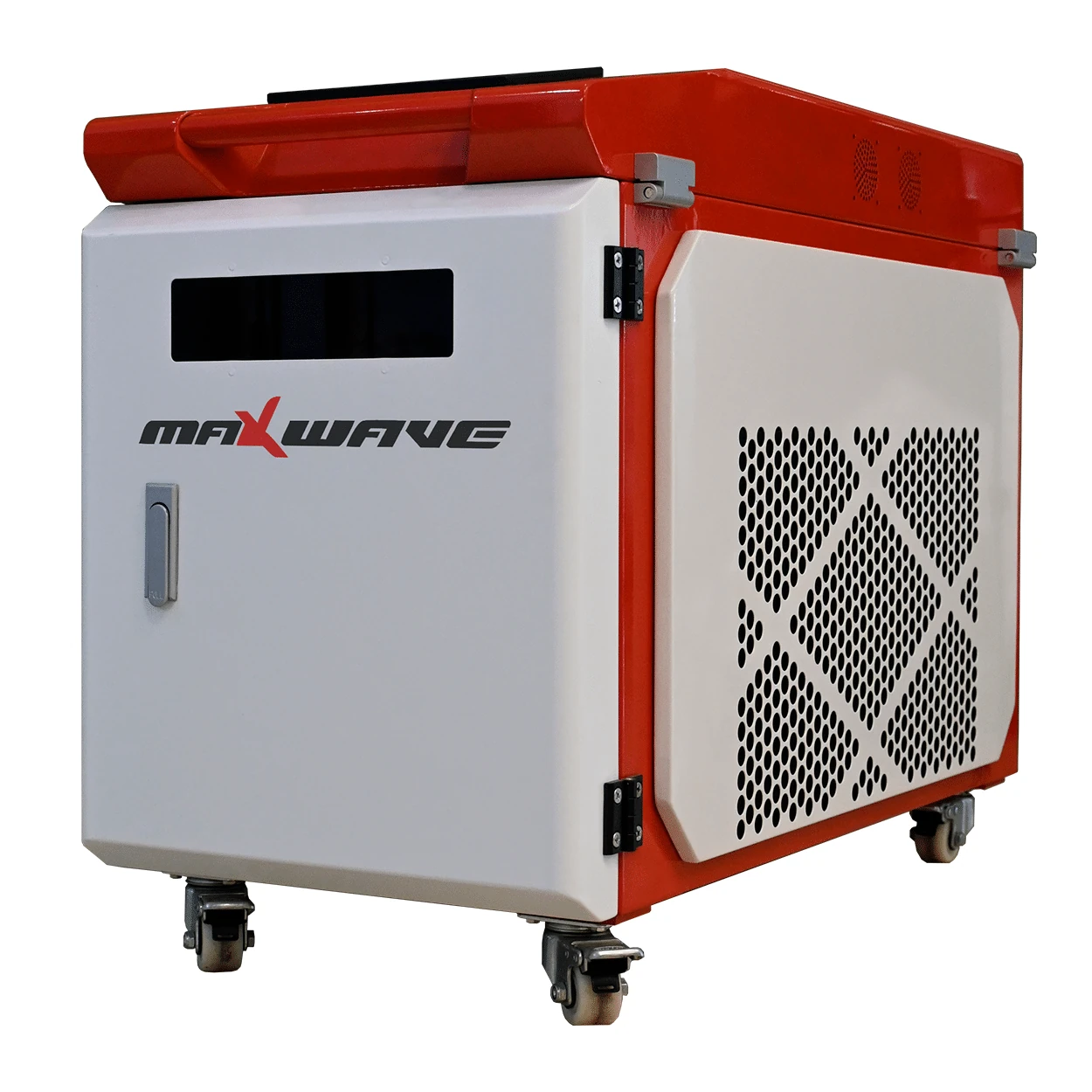
High-power CW — LCW / HW
Heavy rust, structural steel, shipyards and production throughput. 1000–3000W, water-cooled, 24/7 duty.
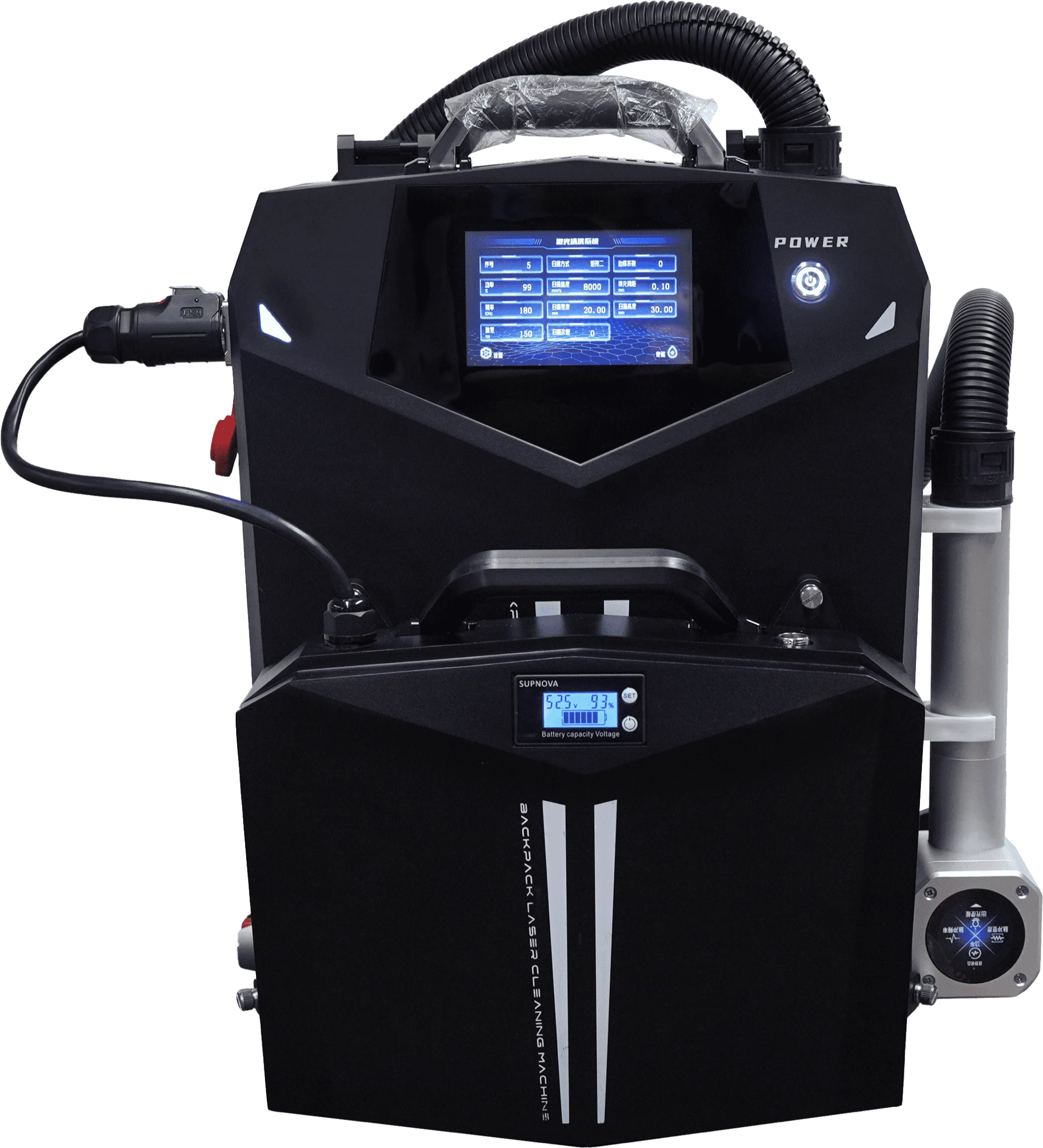
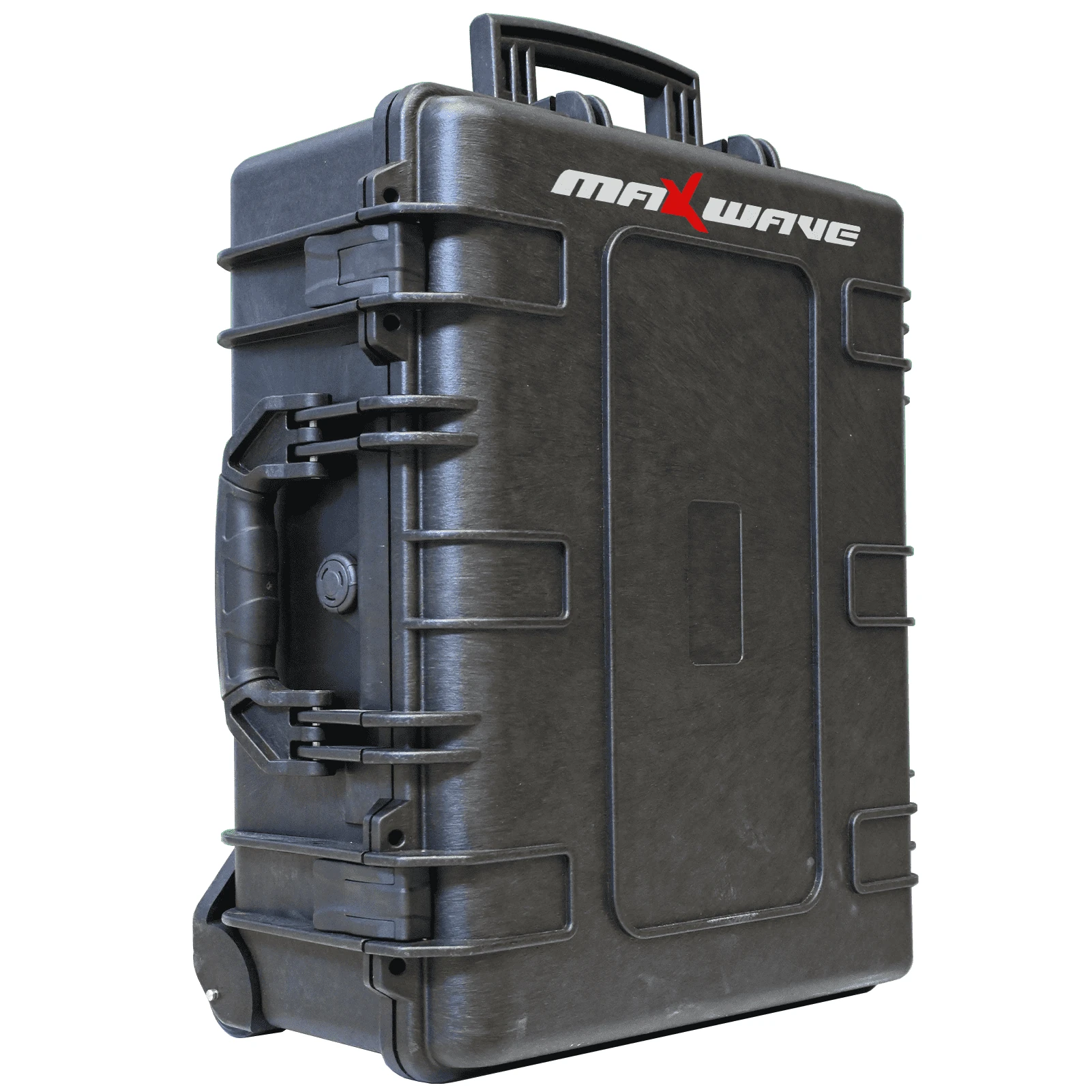
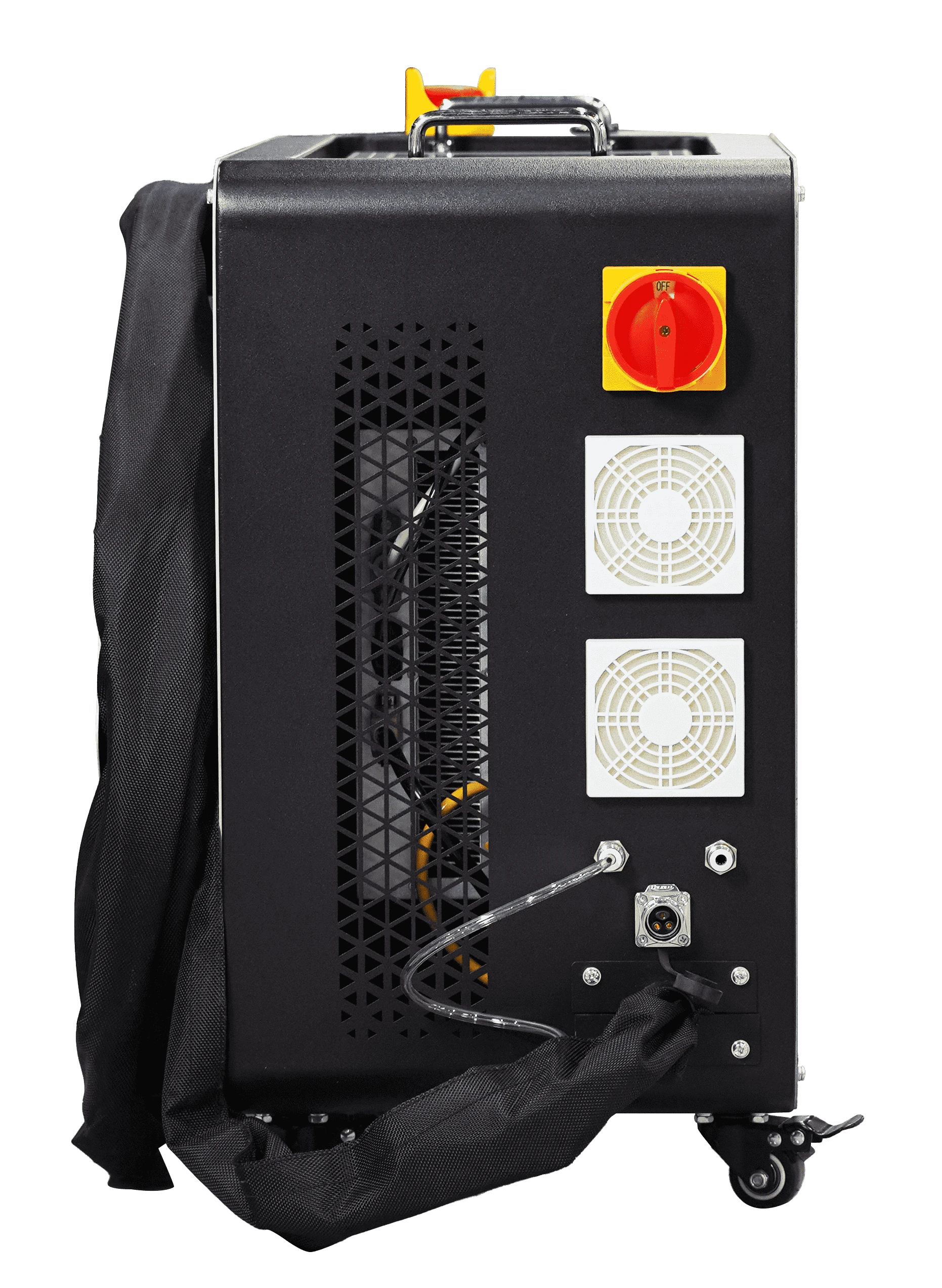
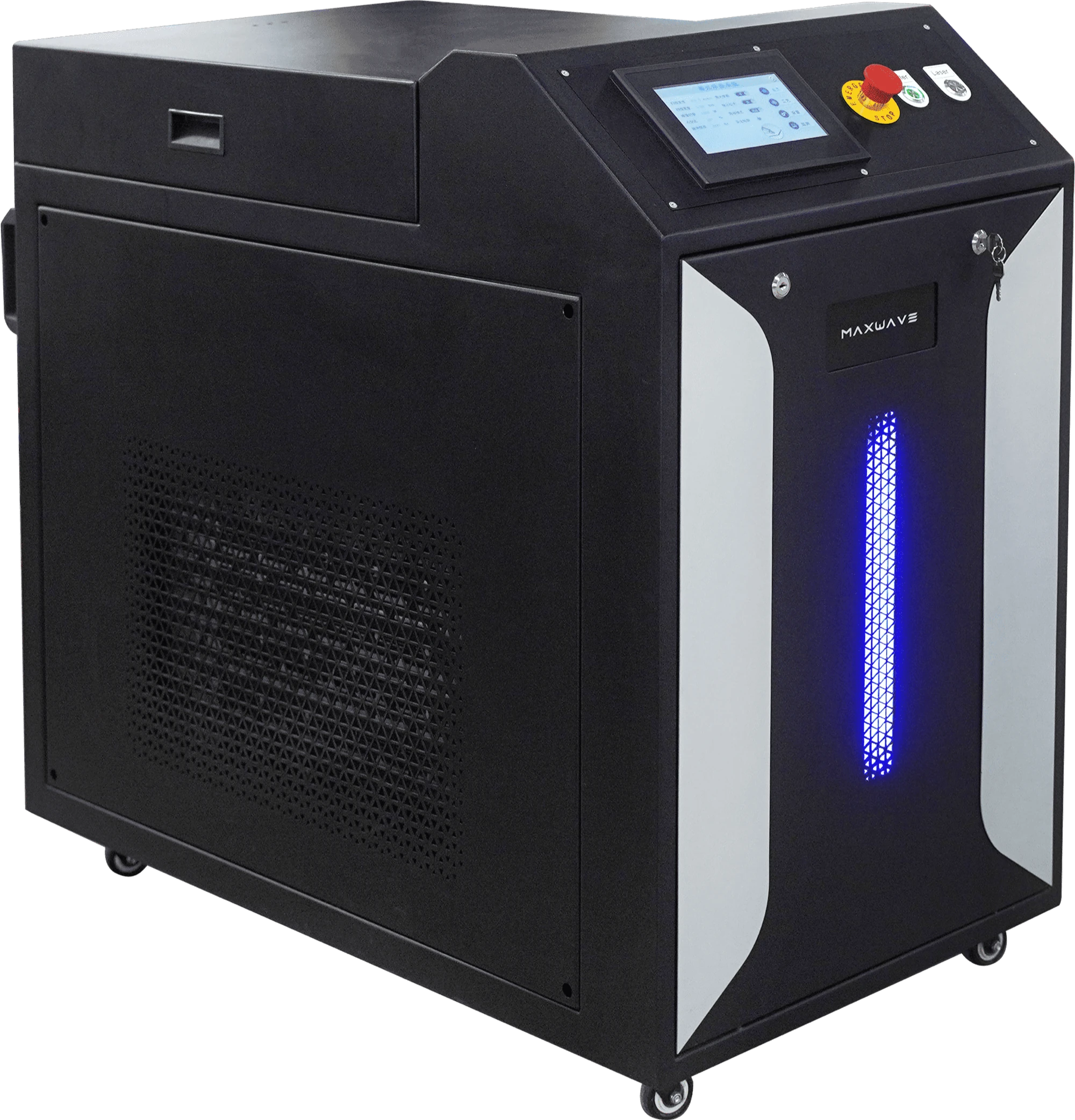
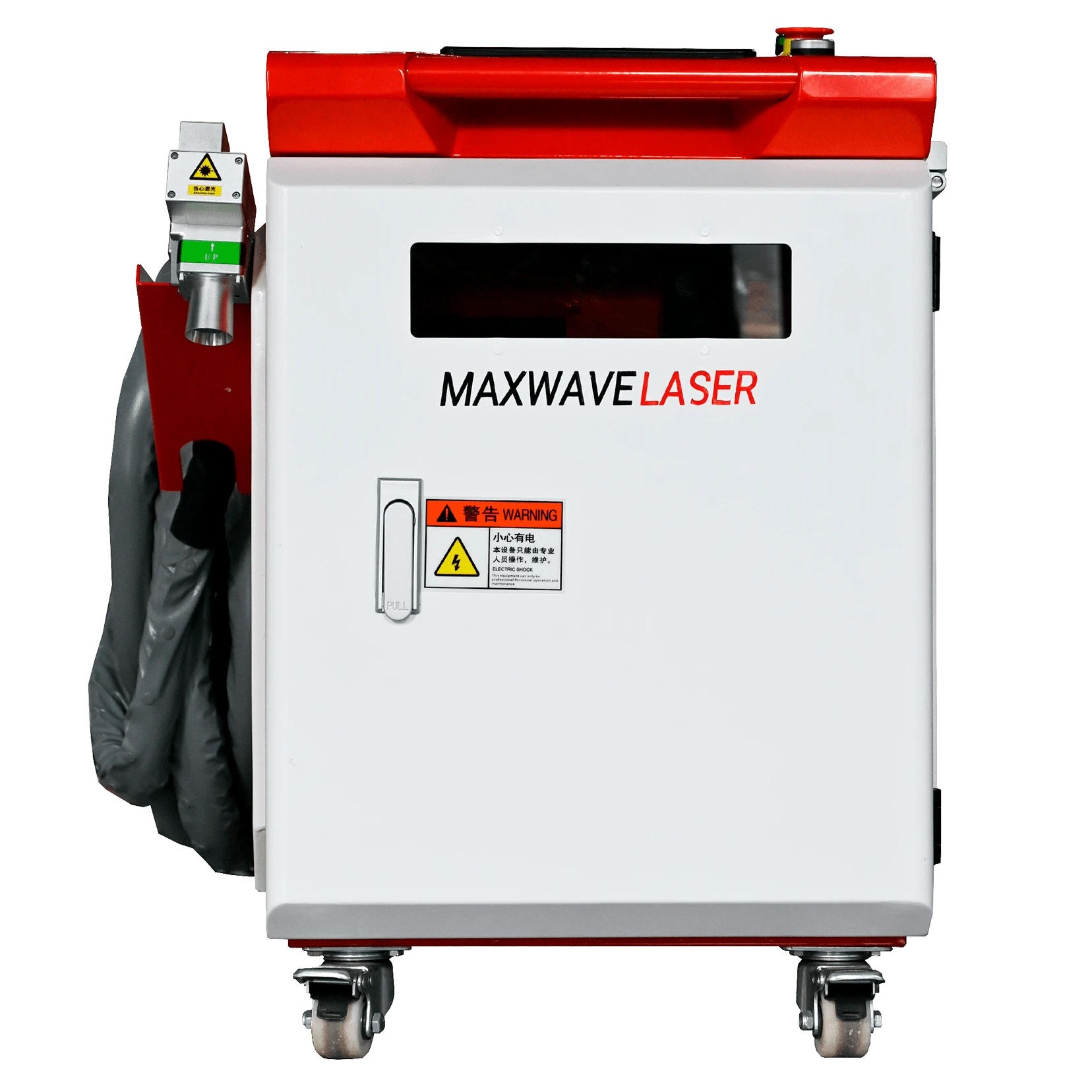
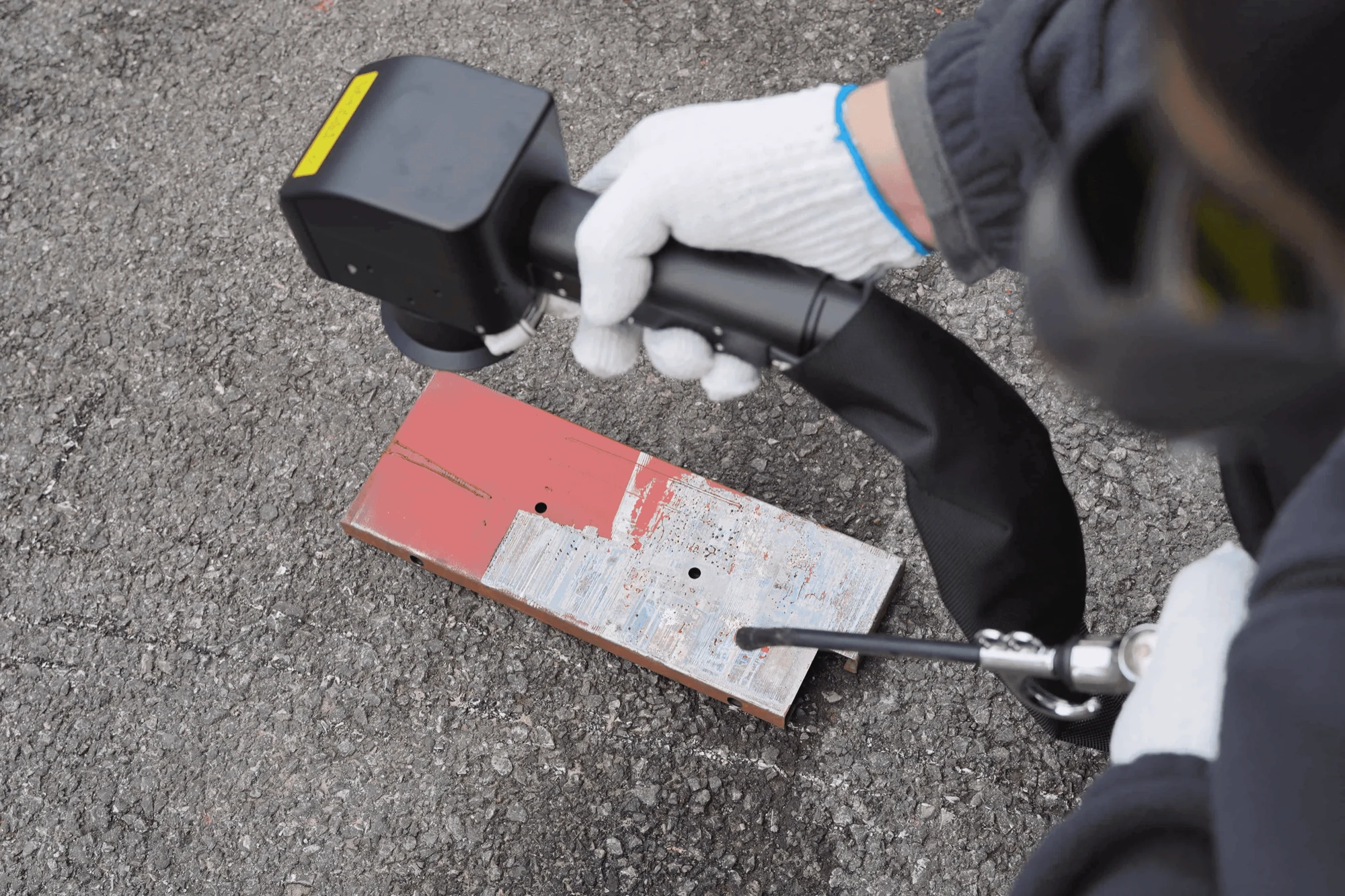
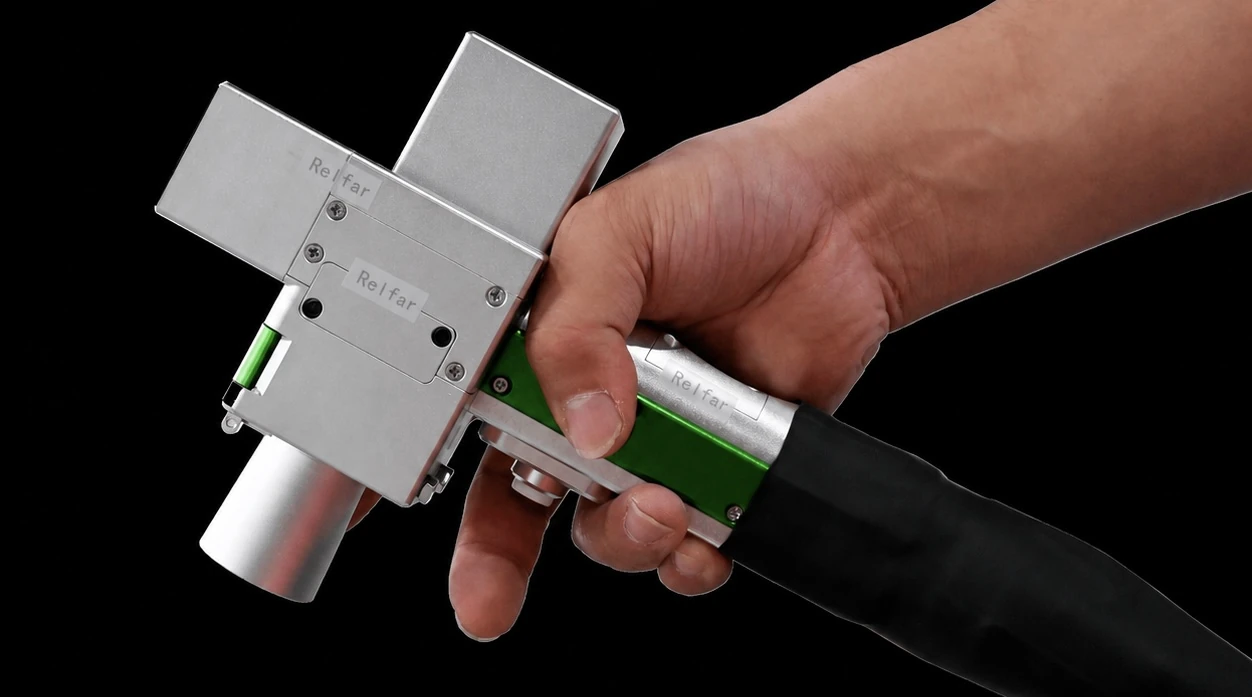
One shot from each series, side by side
Form factor is easier to judge by eye than on paper. Here is a representative machine from every series, so you can see how each one is built before you open it.
Questions to ask any supplier
A good supplier will answer all of these clearly. Vague answers are a signal in themselves.
Get the Buying Checklist- What exact power and laser type is it? Pulsed or CW, and the rated power — not just a series name.
- What core components does it use? The laser source and key components, and their grade.
- What after-sales support is included? Spare parts, technical support and response expectations.
- Will you test my sample first? A measured result on your material before you buy.
- Where do your performance numbers come from? The basis for any speed or result figures they quote.
- What does the warranty actually cover? The real terms, parts and duration — in writing.
Red flags to watch for
Laser cleaning is genuinely capable — which is why over-promising is so common. Be cautious if you see these.
One headline speed number
A single cleaning-speed figure with no mention of your material, rust thickness or settings. Real cleaning rate depends on all of those.
Claims of no impact on anything
Promises that it harms nothing on any surface. Every result depends on settings, and a careful supplier says so and tests first.
A promised return with no inputs
A specific payback or ROI promised before anyone has seen your rates, volume or material. Payback depends on your numbers.
No offer to test your sample
A supplier unwilling to clean a sample of your material before you commit is asking you to buy on faith.
Vague specifications
Won't state the laser power, core component source, or where their figures come from. Specifics should be easy to get.
A too-good warranty claim
An unlimited or forever-sounding warranty with no detail. Ask exactly what it covers, for how long, and on which parts.
Sample testing beats every spec sheet
Specs and claims only get you so far — your material is the real test. Sending a representative sample and getting back a measured cleaning rate, the settings used and cycle data turns a guess into evidence. It is the single most reliable step in choosing a laser cleaner, and it is how we would want you to decide.
The six steps, in practice
The cards above name the steps; here is how to actually work through each one.
Define the application
List the contaminants and substrates you handle most. The dominant job — rust, paint, weld prep, mold, degrease — anchors every later choice.
Choose a power tier
Match power to the heaviest routine work, not the rare exception. Light and detailed work lives at 100–500W; heavy rust and large surfaces need 1000–3000W.
Pulsed vs continuous-wave
Pick pulsed for thin, detailed and heat-sensitive work; continuous-wave for throughput on heavy, large-area work. If you span both, weigh which dominates.
Air or water cooling
Air-cooled keeps portable units light; high-power CW is water-cooled for continuous duty. Cooling follows from the power tier you chose.
Portability
Decide where you clean: field and service favour backpack and handheld; a shop or line favours a cabinet. This shapes form factor and power source.
Configuration
Confirm cleaning head, scan width, fiber cable length, controls and any branding or certification your market needs.
Ten questions to ask any supplier
A capable supplier answers all of these clearly. Vague answers are a signal in themselves.
- Exact power and laser type (pulsed or CW)?
- What core laser components, and their grade?
- Will you test my sample before I buy?
- Where do your performance figures come from?
- What after-sales support and response is included?
- What exactly does the warranty cover, and for how long?
- What is the power draw for my configuration?
- How long is the fiber cable to the head?
- Can it integrate with a robot or fixed station?
- How is operator training delivered?
Acceptance & delivery checklist
When the machine arrives, confirm it is the spec you agreed and that you can run it safely.
- Machine matches the agreed power, laser type and configuration
- Cleaning head, cable length and accessories as specified
- Tuned starting parameters for your application provided
- Safety guidance, PPE advice and training material included
- Spare-parts list and documentation present
- Warranty and support terms confirmed in writing
How to choose, answered straight
Tell us your job and we will help you choose
Share what you need to clean and we will recommend a series, offer sample testing, and send pricing — no pressure, just a straight answer — usually within one business day.
- [email protected]
- +86 153 2715 5363
- Mon–Sat 9:00–18:00 (GMT+8)