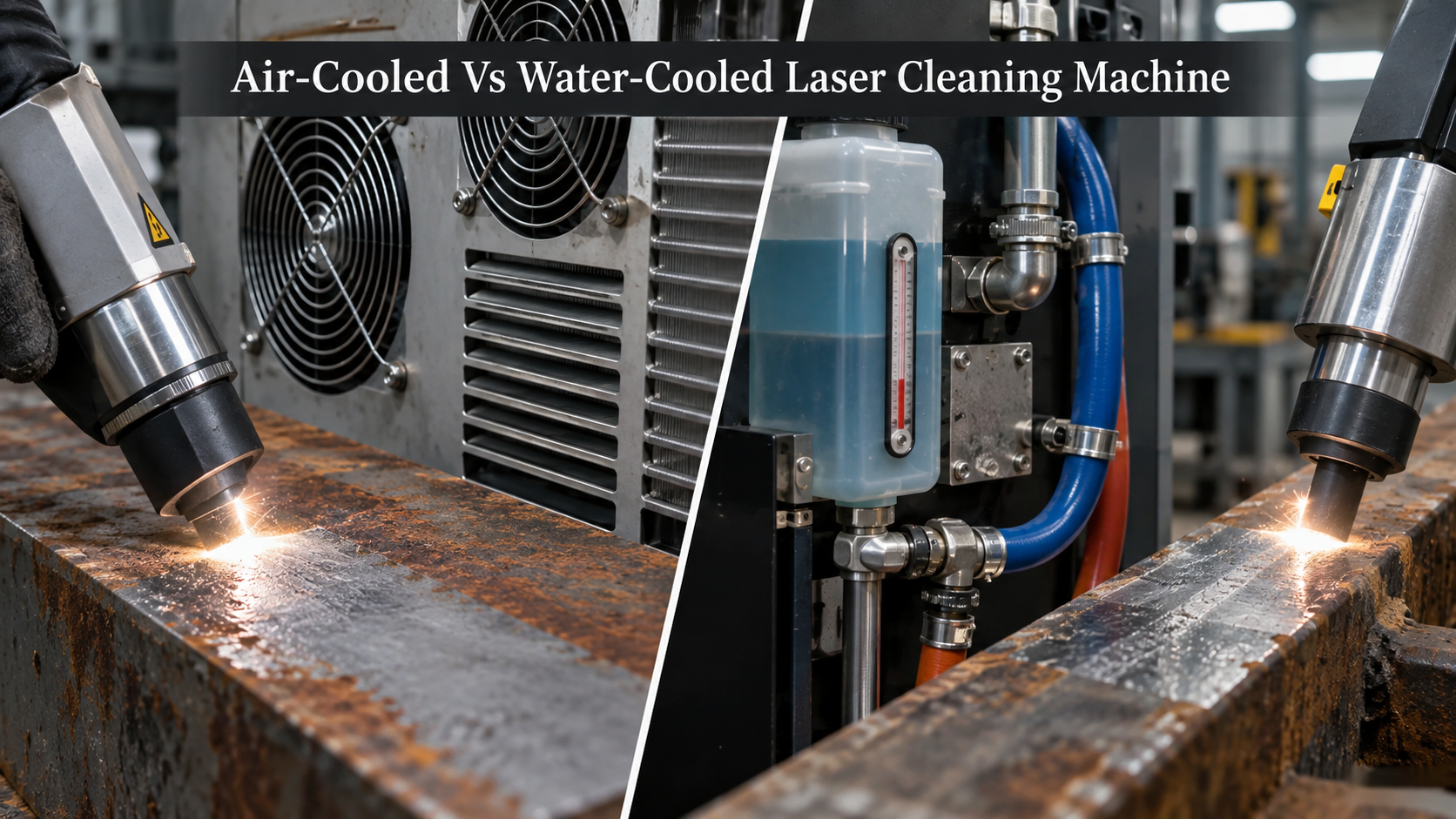
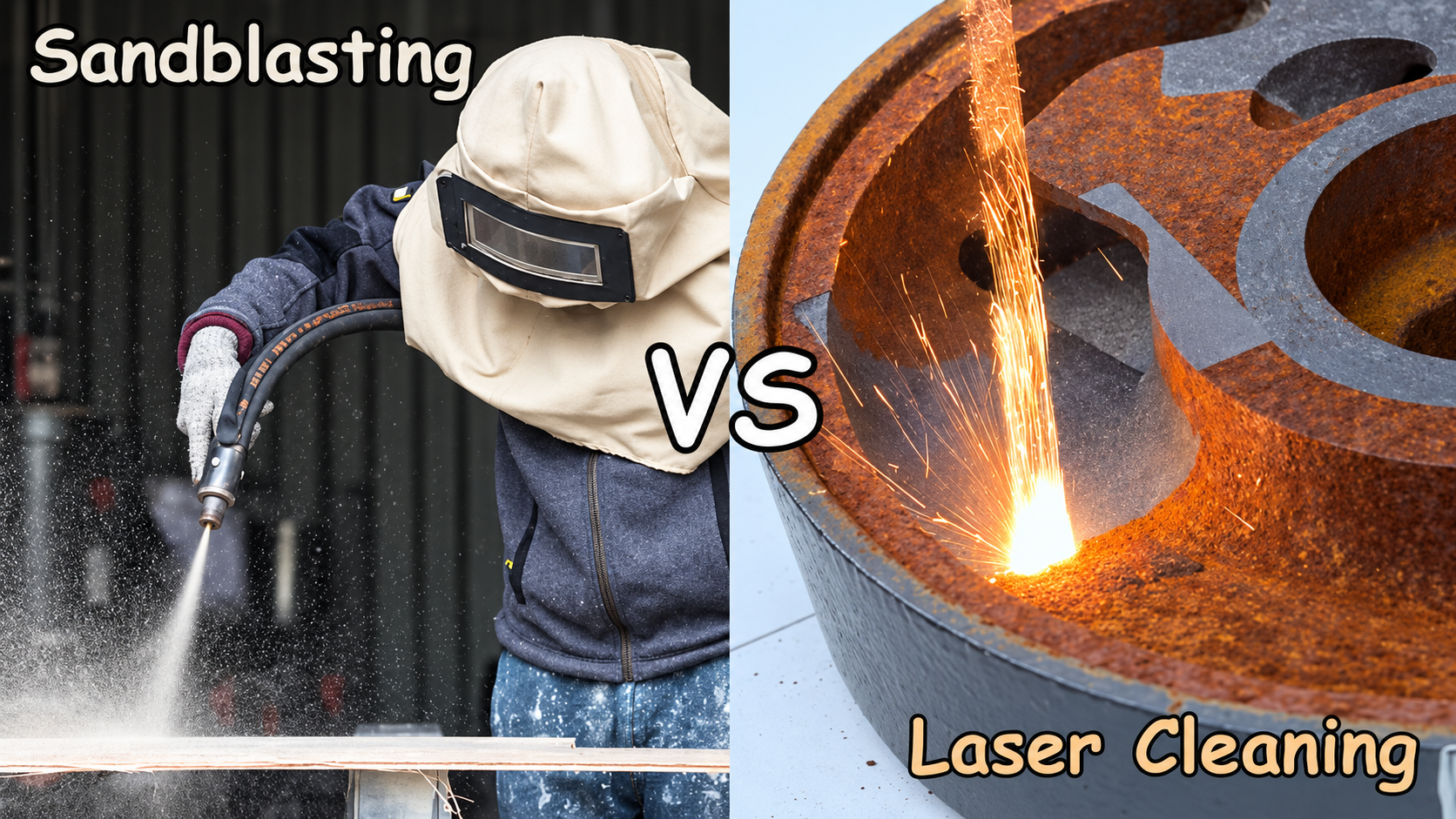
For many small workshops handling light rust, weld preparation, molds, and occasional paint removal, a 200W–300W pulsed laser cleaner is a practical starting point to evaluate. Workshops with more frequent cleaning jobs may benefit from comparing 300W–500W pulsed systems, while high-power continuous-wave (CW) machines are generally better suited to heavy rust removal on large, robust steel components.
However, the most powerful machine is not necessarily the best investment.
A small automotive repair shop, a mold maintenance workshop, and a steel fabrication business may all need laser cleaning, but their requirements are very different. For stainless welds, ask a laser weld cleaning supplier for a test.
Before buying a laser cleaning machine, consider what you clean most often, how much work you handle, and whether your workshop can accommodate the equipment safely.
This guide explains which type of laser cleaner makes sense for different small workshops, what specifications matter, and how to verify performance before purchasing.
1. Which Laser Cleaner Fits Your Workshop's Actual Jobs?
Start with the materials and contamination you regularly encounter.
Light rust on automotive components requires a different approach from thick corrosion on structural steel.
Likewise, cleaning a small injection mold is not the same as stripping paint from a large industrial frame.
Laser Cleaner Selection by Workshop Application
Workshop Application | Starting Power Range | Machine Type |
|---|---|---|
Precision Parts and Small Molds | 100–200W | Pulsed |
Automotive Repair and Light Rust | 200–300W | Pulsed |
Weld Preparation and Oxide Removal | 100–300W | Pulsed |
Mixed Rust, Paint, and Maintenance Work | 300–500W | Pulsed |
Heavy Rust on Thick Steel | 1500–3000W | CW |
Mobile Cleaning and On-Site Repairs | 100–300W | Portable Pulsed |
These are equipment shortlisting ranges, not guaranteed cleaning capacities. Actual suitability depends on contamination thickness, substrate, required finish, and sample testing.
Example: A Small Automotive Repair Workshop
Consider a repair shop working on automotive brackets, body panels, and occasional corroded metal parts.
The owner needs to remove light rust and coatings without unnecessarily damaging thin or sensitive components.
A 200W or 300W pulsed system would be worth testing first.
The short-pulse cleaning process offers control over localized areas, although the operator must still select suitable parameters to prevent unwanted surface changes.
A high-power CW cleaner may be unnecessarily aggressive for much of this work.
Example: A Steel Fabrication Workshop
Now consider a fabrication shop cleaning thick steel beams and heavily corroded machinery components.
If rust removal occupies several hours every day, cleaning capacity becomes a major consideration.
A machine from a high-power CW laser cleaner supplier may provide better productivity on suitable heavy steel.
However, if the shop only occasionally encounters heavily rusted components, outsourcing those particular jobs may be more economical than purchasing a large industrial cleaning system.
Choose a machine for the work you perform regularly, not the most demanding job you might encounter once a year.
2. Should You Buy a Pulsed or CW Laser Cleaner?
For many small workshops, this decision matters more than choosing between two similar wattages.
Pulsed and continuous-wave laser cleaners deliver energy differently, which affects their cleaning behavior and suitability for different materials. For delicate parts, it helps to review a pulsed fiber laser cleaner supplier before deciding.
Factor | Pulsed Laser Cleaner | CW Laser Cleaner |
|---|---|---|
Energy Delivery | Short laser pulses | Continuous laser output |
Typical Applications | Precision cleaning, oxides, light-to-moderate rust, selective paint removal | Heavy rust, thick coatings, larger steel surfaces |
Heat Control | Generally better suited to sensitive surfaces | Greater potential for heat buildup |
Equipment Size | Portable and cabinet options | Often larger, water-cooled equipment |
Main Advantage | Cleaning control | High-volume material removal |
Main Limitation | May be slow on extensive heavy corrosion | Greater risk of overheating sensitive parts |
Why Pulsed Cleaning Often Fits Small Workshops
A pulsed laser cleaning machine is worth considering when the same workshop handles several types of metal components.
For example, a machine shop may need to remove oxidation from a mold, clean a weld seam, and restore a lightly rusted steel part.
These jobs often require control rather than maximum material-removal speed.
Pulsed laser settings can be adjusted according to the surface and contamination.
For workshops working with detailed parts, this flexibility is valuable. If molds are part of your workload, a laser mold cleaning supplier can test your tooling before you commit.
Some air-cooled systems also eliminate the need for a separate water chiller, simplifying the machine's cooling arrangement.
For reference, LaserCleanerPro offers an air-cooled LY100–500W pulsed series with adjustable pulse, frequency, and scan-width settings, along with portable 100–300W configurations for workshop and mobile use.
These are examples of available machine designs rather than proof that one configuration is best for every workshop.
When CW Is the Better Investment
CW cleaning becomes more relevant when a workshop regularly handles large areas of heavily rusted steel.
In such cases, a lower-power pulsed machine may produce acceptable results but require excessive cleaning time.
A high-power CW system can offer greater removal capacity on suitable thick metal surfaces.
However, it generally requires more substantial cooling, electrical power, and workspace arrangements.
If your daily workload involves precision parts, thin panels, and delicate finishes, do not choose CW solely because its advertised wattage is higher.

3. What Should a Small Workshop Check Before Buying?
A machine that cleans successfully during a laser cleaning machine supplier's demonstration may still be unsuitable for your workshop.
Before comparing prices, check whether the equipment fits your available space, electrical supply, workload, and operating conditions.
Electrical Supply and Cooling
Do not assume a machine will work from an ordinary wall socket because it is advertised as portable.
Confirm the required voltage, phase, maximum current, and total electrical consumption.
Laser output power is not the same as electrical input power.
A 300W laser cleaner, for example, may draw substantially more than 300W because its electronics, cooling system, and other components consume electricity.
Air-cooled pulsed equipment can be convenient for smaller workshops, while high-power CW machines commonly use water cooling.
The exact requirements should come from the selected machine's technical specifications.
Machine Size and Operator Access
Consider where the equipment will be used.
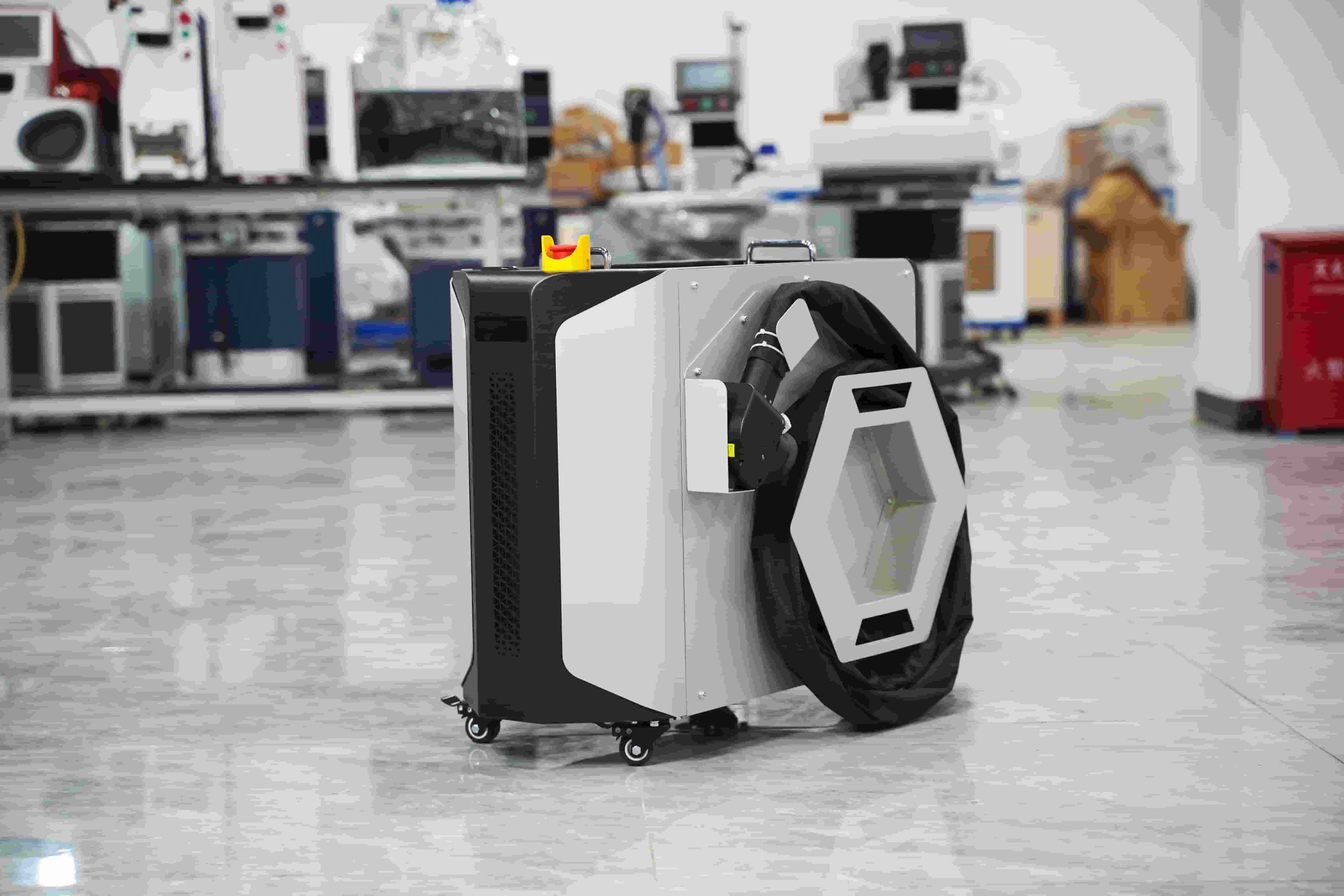
For bench work, a wheeled cabinet and handheld cleaning head may be convenient.
For mobile repairs, a handheld laser cleaner with a portable case may be easier to transport.
Also check the cleaning-head weight, fiber cable length, and ability to reach the required parts.
If the machine will be moved regularly, ask a portable laser cleaner supplier for its actual dimensions and transport weight.
Safety and Fume Extraction
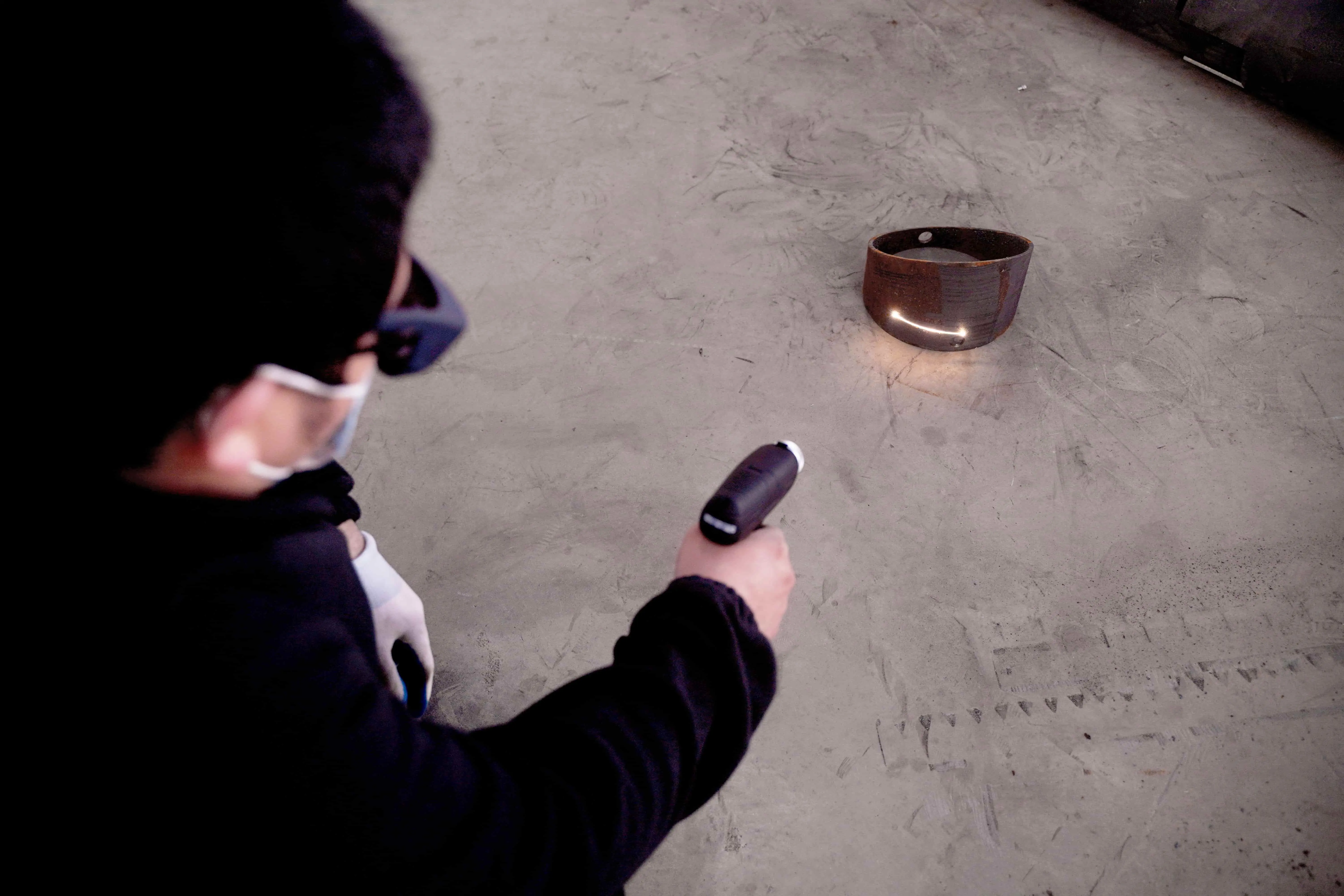
Handheld industrial laser cleaners commonly use Class 4 lasers.
They can present serious hazards from direct and reflected beams, particularly when cleaning reflective metals.
A small workshop must provide an appropriate laser-controlled area, suitable barriers or enclosure, operator training, and protection selected for the laser's wavelength and exposure conditions.
Laser cleaning also generates fumes and airborne particles from removed coatings and corrosion.
Local extraction is essential, especially when removing old paint or potentially hazardous contamination.
A laser cleaner's purchase price should never be evaluated without the cost of the safety and extraction arrangements needed to operate it.
4. How Do You Compare Cost and Verify Cleaning Results?
For a small workshop, the best purchase is not necessarily the machine with the lowest price.
A cheaper unit may have insufficient productivity, while a more expensive machine may include capabilities you rarely use.
The real comparison should include purchase cost, cleaning performance, consumables, and operating requirements.
Compare the Complete Purchase Cost
Ask suppliers to identify what is included in the quotation.
Pay particular attention to the machine configuration, cooling system, protective optics, software, training, warranty, and spare parts.
Also account for shipping, import charges, fume extraction, and required laser safety measures.
Because configurations vary, compare machines using the same intended applications rather than relying only on quoted wattage.
Request a Cleaning Test on Your Own Parts
Before purchasing, provide a fiber laser rust remover supplier with representative workpieces.
For example, if your workshop frequently cleans rusted steel brackets, send a sample with the same material, corrosion condition, and required final finish.
Ask the supplier to provide:
Before-and-after results using your actual material and contamination.
Measured cleaning time for a known area or number of parts.
Machine configuration and settings used during the demonstration.
Surface inspection results showing whether unacceptable damage occurred.
A complete quotation covering equipment, support, and relevant operating requirements.
A useful demonstration should prove both that the machine removes the contamination and that it can do so at an acceptable speed without damaging the workpiece.
For parts intended for painting, welding, or bonding, the cleaned surface must also meet the relevant preparation requirements.
If a supplier cannot demonstrate the required result, advertised cleaning speed or wattage alone is not enough to justify the purchase.
When Should a Small Workshop Avoid Buying?
If your workshop needs rust removal only occasionally, purchasing a dedicated laser cleaner may not be the most economical choice.
Outsourcing or using an existing suitable cleaning method could be more practical.
Similarly, if most of your work involves very large steel structures and aggressive surface profiling, conventional abrasive blasting may still be a better fit for certain jobs.
A laser cleaner becomes easier to justify when you have recurring applications that benefit from controlled, localized cleaning or reduced abrasive-media use.
Before investing in a laser rust removal machine, compare the actual time and cost of cleaning your most common parts.
Conclusion
For many small workshops, a 200W–300W pulsed laser cleaner is a sensible starting point to test, while 300W–500W pulsed systems are worth comparing for more frequent or varied cleaning work.
A high-power CW cleaner is better considered when heavy rust removal on large steel components forms a substantial part of the workload.
The right decision depends on what you clean, the surface condition you need to preserve, and how much productive work the machine must complete.
Before buying, verify the electrical requirements, cooling, safety arrangements, support, and actual cleaning results.
If you're comparing laser cleaning equipment, request sample testing using your own workpieces and choose the configuration that meets your workshop's needs without unnecessary investment.